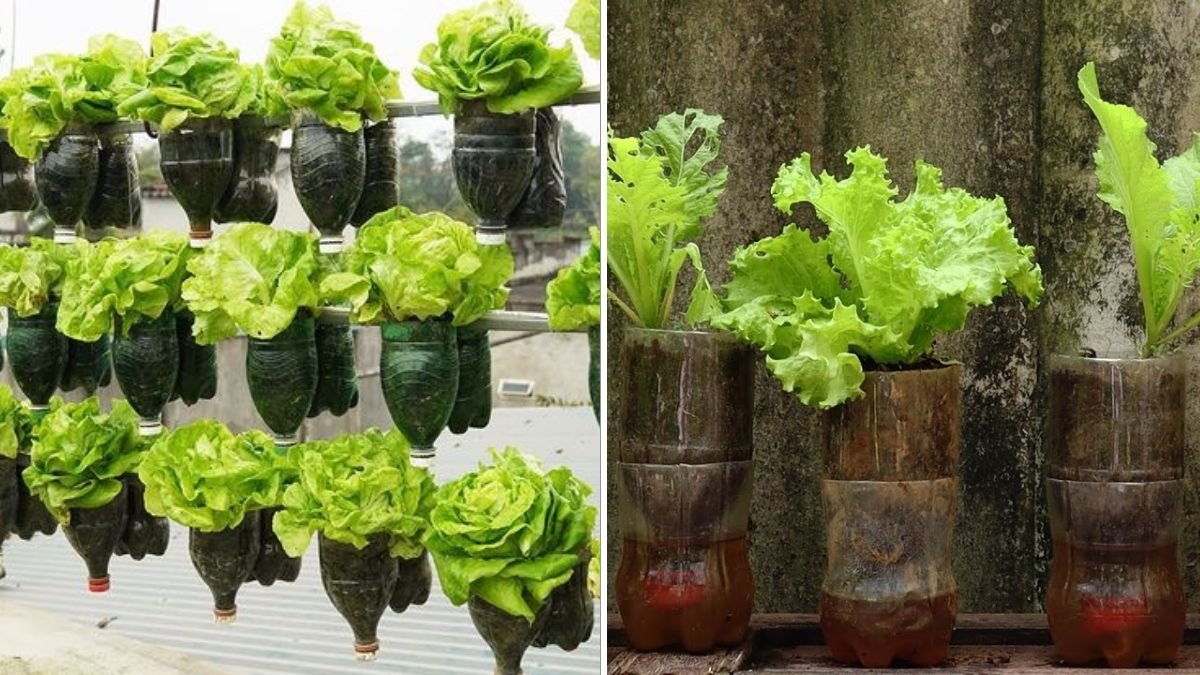
If you’re looking to expand your home garden beyond the typical lettuce and spinach, escarole is the leafy green you’ve been missing. Known for its slightly bitter taste, tender leaves, and versatility in both raw and cooked dishes, escarole (Cichorium endivia var. latifolia) is a cool-season vegetable that thrives in backyard beds, raised containers, or urban balcony gardens.
This complete guide will walk you through everything you need to know about growing, harvesting, and cooking escarole, ensuring you enjoy fresh, flavorful greens straight from your own garden. Perfect for American gardeners seeking organic, nutrient-rich, and low-maintenance crops, escarole is an essential addition to your kitchen garden this year.
What Is Escarole?
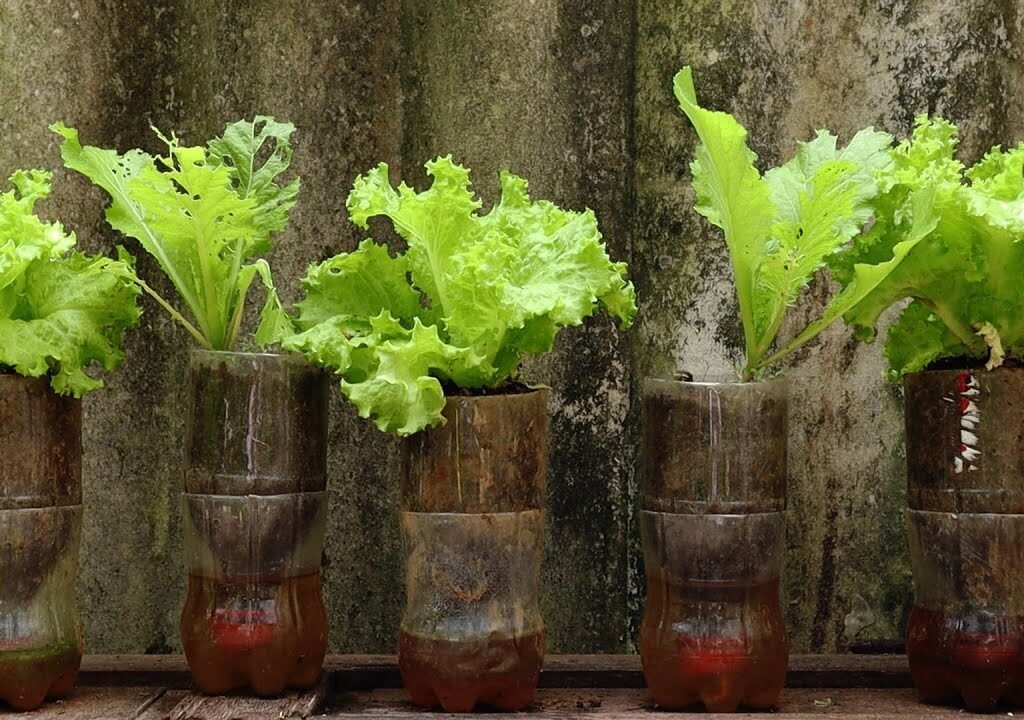
Escarole is a member of the chicory family, closely related to curly endive, radicchio, and Belgian endive. It’s characterized by broad, slightly curly leaves, which are milder and less bitter than frisée but more flavorful than standard lettuce.
There are two primary types of escarole:
- Broadleaf Escarole: Smooth, tender leaves with a mild flavor, perfect for sautés, soups, and salads.
- Curly Escarole (Frisée-like): Finely cut, slightly bitter leaves with a crisp texture, ideal for gourmet salads.
Escarole is nutrient-dense, packed with vitamins A, C, and K, folate, and fiber, making it a powerful green for immune support, bone health, and digestive wellness.
Why Escarole Deserves a Spot in Your Garden
Escarole is a garden-friendly leafy green that thrives in cooler temperatures, making it perfect for spring and fall planting across the United States. Here’s why it’s a must-grow:
- Fast-growing: Ready to harvest in 45–60 days, providing quick returns.
- Versatile in the kitchen: Use raw in salads, cook in soups, or braise as a side dish.
- Highly nutritious: Supports overall health and is low in calories.
- Compact and space-efficient: Ideal for raised beds, containers, or small garden plots.
- Cold-tolerant: Survives light frost, and flavors improve after a cool snap.
Whether you’re an experienced gardener or a beginner, escarole is easy to grow and highly rewarding.
Choosing the Right Escarole Variety
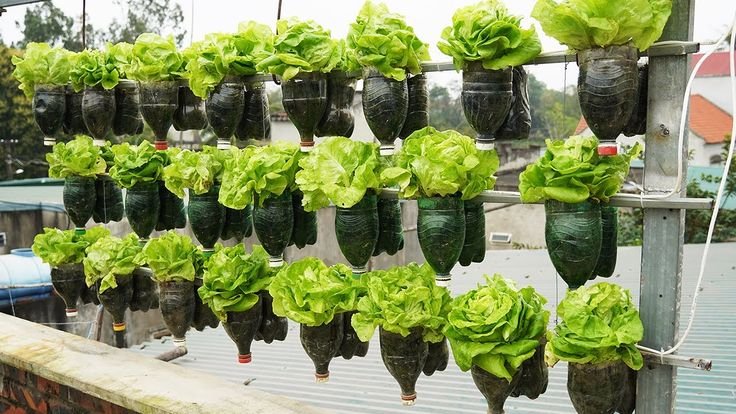
Different escarole varieties cater to different climates and tastes. Popular options include:
- ‘Broadleaf Batavian’: Mild-flavored, smooth leaves; perfect for braising and soups.
- ‘Veneziana’: Italian heirloom with crisp leaves and excellent frost tolerance.
- ‘Natacha’: Hybrid variety that resists disease and produces uniform heads.
- ‘Green Curled’: Curly-leaf type for salads and decorative garnishes.
- ‘Frisée Fine Maraîchère’: Offers a delicate, slightly bitter texture ideal for gourmet dishes.
Selecting the right variety ensures consistent growth, flavor, and harvest success in your region.
How to Plant Escarole
Escarole grows best from seed, but transplants are also an option for faster harvests.
1. Soil Preparation
- Prefers well-draining, fertile soil with a pH of 6.0–7.5.
- Enrich the soil with organic compost or aged manure to boost growth.
- Loosen the soil to at least 6–8 inches to promote healthy roots.
2. Sowing Seeds
- Direct sowing: Plant seeds ¼ inch deep in garden beds after the last frost.
- Indoor starting: In cooler climates, start seeds indoors 4–6 weeks before transplanting.
- Spacing: Thin seedlings to 8–10 inches apart, with rows 12–18 inches apart.
3. Watering and Fertilization
- Keep the soil consistently moist for tender, crisp leaves.
- Feed with a balanced organic fertilizer every 2–3 weeks for steady growth.
Light and Temperature Requirements
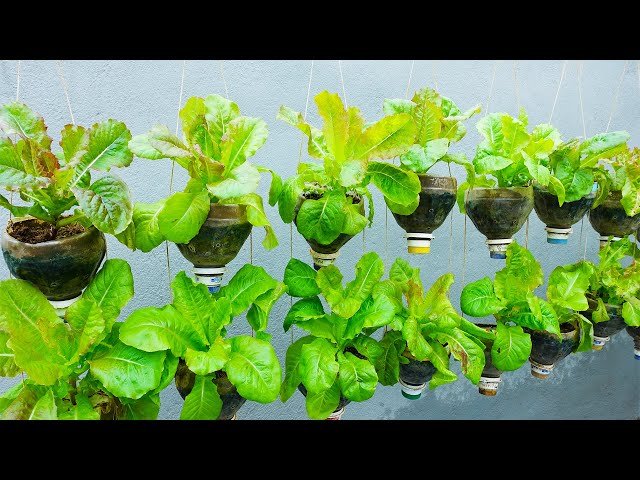
Escarole prefers cool weather, with optimal growth between 50°F and 70°F (10°C–21°C).
- Spring planting: Ideal in northern states after the last frost.
- Fall planting: Sow seeds in late summer or early autumn for a late-season harvest.
- In southern states, escarole grows best in fall through winter, avoiding the hottest summer months.
Hot weather can trigger bolting, causing leaves to turn bitter and flower prematurely. Using shade cloth or partial shade can prevent this in warmer regions.
Blanching Escarole for Milder Flavor
For a tender, less bitter taste, you can blanch escarole before harvest:
- When plants are nearly mature, tie outer leaves over the center.
- Cover the plant with a pot, bucket, or blackout cloth for 10–14 days.
- Harvest the pale, tender inner leaves for restaurant-quality flavor.
Blanching is particularly effective for curly or frisée varieties, producing a crisp, mild salad green.
Common Pests and Diseases
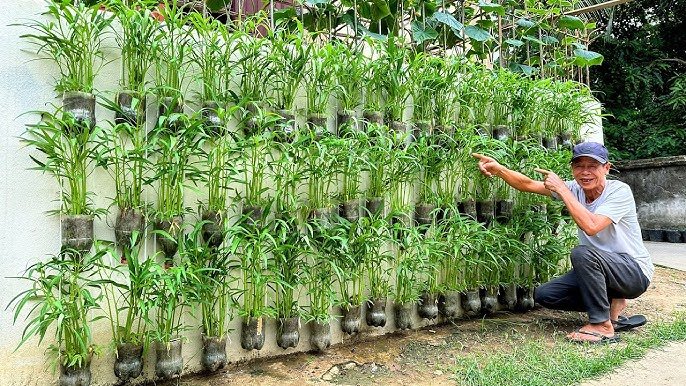
Escarole is relatively hardy but may attract occasional pests:
- Aphids: Spray off with water or use neem oil.
- Slugs and snails: Use traps or crushed eggshells around seedlings.
- Downy mildew: Ensure proper spacing and air circulation; avoid overhead watering.
- Cabbage worms: Handpick or use organic BT sprays if necessary.
Crop rotation and healthy soil practices reduce the likelihood of disease and pest issues.
Harvesting Escarole
Escarole matures in 45–60 days, depending on the variety.
- Outer leaves: Pick them for a continuous harvest while allowing the plant to keep growing.
- Whole heads: Cut at the base once leaves are fully formed.
- Storage: Wrap in a damp paper towel and refrigerate; fresh escarole lasts up to 10 days.
Regular harvesting encourages new growth, providing a steady supply of fresh greens.
Cooking and Enjoying Escarole
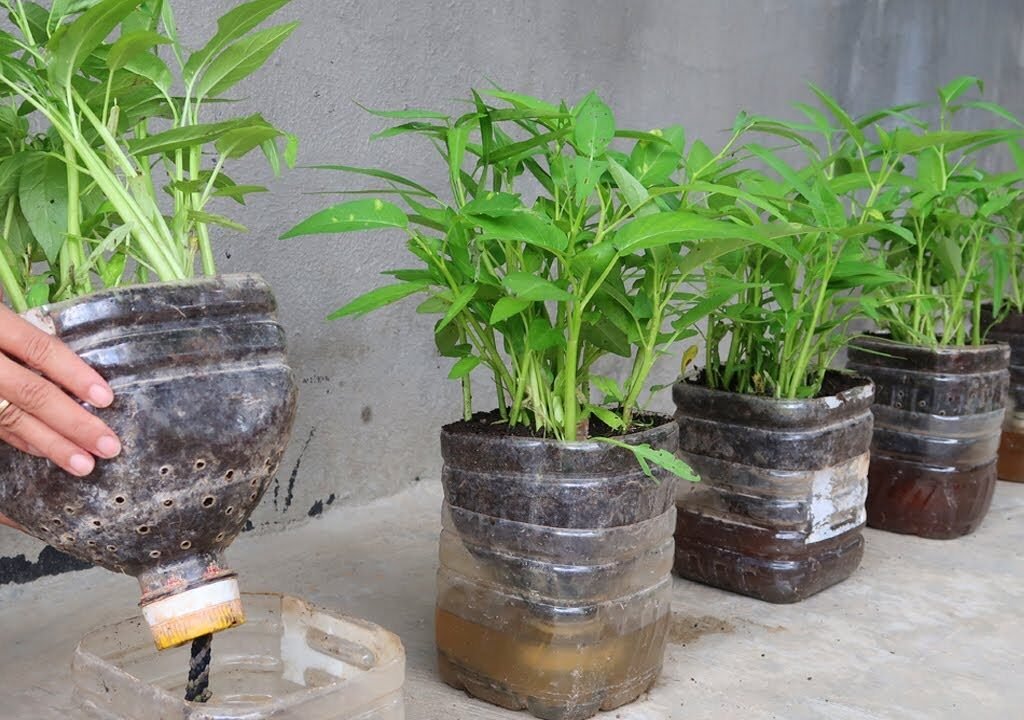
Escarole’s mild bitterness makes it a versatile ingredient in many dishes:
- Salads: Combine raw leaves with citrus, nuts, or cheese for a refreshing crunch.
- Sautéed Greens: Cook with olive oil, garlic, and a pinch of chili for a savory side.
- Soups and Stews: Add chopped leaves to beans, lentils, or chicken soups.
- Stuffed Escarole Rolls: Use broad leaves as wraps for grains or meat fillings.
- Grilled or Braised: Braising with butter or broth softens the leaves and enhances flavor.
Escarole pairs well with citrus, olive oil, garlic, tomatoes, and cheeses, making it an adaptable green for modern kitchens.
Companion Planting Tips
Escarole grows well with several vegetables, enhancing both flavor and pest resistance:
- Carrots, beets, and radishes: Similar nutrient needs.
- Onions and garlic: Natural pest repellents.
- Spinach and lettuce: Compatible leafy greens for continuous harvesting.
Avoid planting near other Brassicas like broccoli or kale in the same location to reduce pest and disease pressure.
Sustainability Benefits
Growing escarole at home reduces food miles, packaging waste, and pesticide use. It’s an easy crop to regrow: after harvesting, roots can be replanted for a second crop of tender leaves. This makes escarole eco-friendly, economical, and endlessly useful.
Final Thoughts
Escarole may be underrated in mainstream gardening, but it’s a nutrient-rich, fast-growing, and versatile leafy green that deserves a place in every American garden. From crispy salads to hearty sautés, this cool-season green adds flavor, nutrition, and elegance to any meal.
Whether grown in backyard beds, raised planters, or even containers, escarole rewards gardeners with long harvests, easy care, and gourmet results. Add this crisp, flavorful green to your garden this season and experience the joy of homegrown, fresh-from-the-garden vegetables.

Leave A Comment