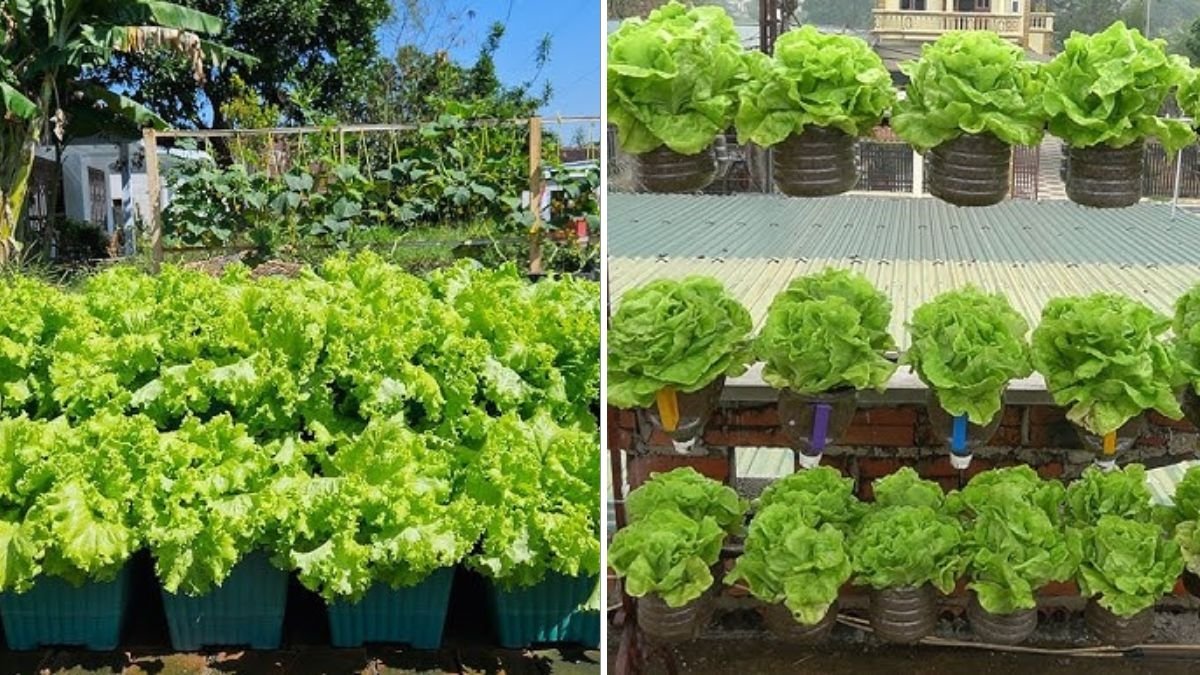
If you’re looking to add something fresh, slightly bitter, and absolutely gourmet to your garden—and your plate—endive deserves your attention. Often overshadowed by lettuce or spinach, endive is a leafy green packed with vitamins, texture, and that subtle tang that gives salads, wraps, and cooked dishes a professional chef’s touch.
In this complete guide, you’ll learn everything about growing endive at home, from seed selection and planting tips to harvesting and cooking ideas. Whether you live in the U.S., Canada, or Australia, this article will help you master the art of cultivating this crisp and healthy vegetable right in your backyard or kitchen garden.
What Is Endive?
Endive (Cichorium endivia) is part of the chicory family, related to escarole, radicchio, and Belgian endive. It’s a cool-weather crop known for its slightly bitter flavor and tightly curled or broad leaves, depending on the variety.
There are two main types of endive:
- Curly Endive (Frisée): Has finely cut, curly leaves with a crisp texture and a sharp, peppery flavor. Often used in gourmet salads.
- Broadleaf Endive (Escarole): Features wider, smoother leaves that are milder in taste. It’s great for soups, sautés, and stews.
Both varieties are rich in vitamin K, folate, and fiber, making endive a nutritious addition to your garden and diet.
Why Grow Endive in Your Garden
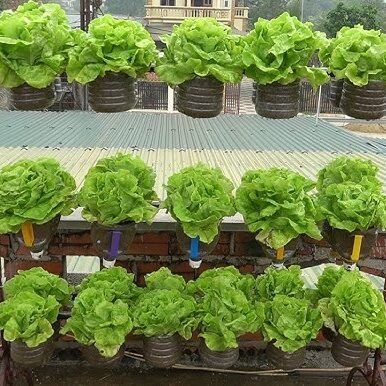
Endive is an excellent cool-season crop, perfect for spring and fall planting in most U.S. states, Canada, and temperate regions of Australia.
Here’s why gardeners love growing endive:
- Nutrient-Dense: Packed with antioxidants, vitamin A, and minerals that boost immunity and digestion.
- Space-Efficient: Grows well in garden beds, containers, or raised planters.
- Cold-Tolerant: Can survive light frosts, making it ideal for transitional seasons.
- Fast-Growing: Mature leaves can be harvested in about 45–60 days.
- Culinary Versatility: From raw salads to braised dishes, endive offers multiple uses in the kitchen.
Choosing the Right Variety
Depending on your region and taste preferences, you can pick from several popular endive varieties:
- ‘Frisée Fine Maraîchère’ – Classic French curly type with fine, lacy leaves.
- ‘Green Curled Ruffec’ – Hardy and slow to bolt, perfect for fall harvests.
- ‘Broadleaf Batavian’ – Smooth-leaf escarole variety with mild flavor.
- ‘Natacha’ – Excellent hybrid for uniform growth and strong disease resistance.
If you’re a beginner, try broadleaf escarole, as it’s easier to grow and less prone to bitterness.
How to Grow Endive from Seed
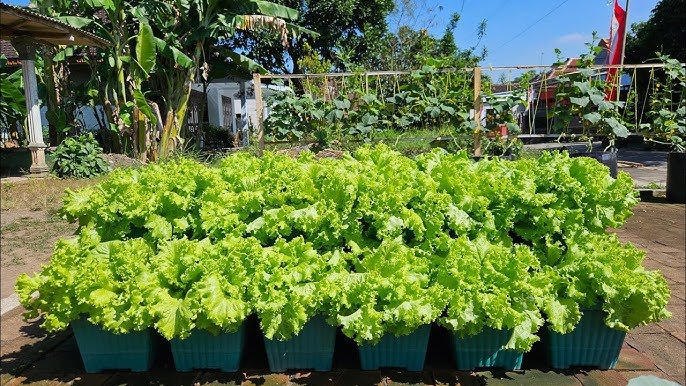
Endive is typically grown from seeds, and starting it the right way makes a huge difference in your harvest.
1. Soil Preparation
Endive thrives in well-draining, fertile soil with a pH between 6.0 and 7.5. Mix in compost or aged manure before planting to enrich the soil.
2. Sowing the Seeds
- Direct Sowing: Plant seeds ¼ inch deep directly into the garden after the last frost.
- Indoor Starting: In cooler climates, start seeds indoors 4–6 weeks before transplanting.
- Spacing: Thin seedlings to 6–8 inches apart in rows about 12 inches apart.
3. Watering and Feeding
Keep the soil consistently moist but not waterlogged. Endive prefers evenly damp soil to develop tender leaves. Water in the morning to prevent fungal issues.
Feed plants with a balanced organic fertilizer every 2–3 weeks for steady growth.
Light & Temperature Needs
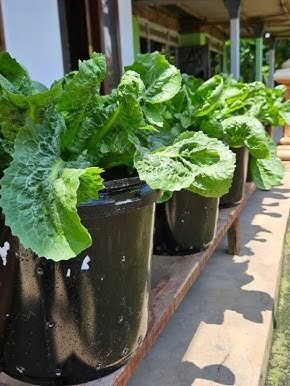
Endive grows best in cool weather, with ideal temperatures ranging from 50°F to 70°F (10°C to 21°C).
In the U.S., sow endive in:
- Spring: Early April–May in northern zones.
- Fall: August–September for a late-season crop.
In Canada, start in late spring or early autumn to avoid summer heat.
In Australia, especially in southern regions, sow from March to May or August to October.
If temperatures climb too high, endive tends to bolt (go to seed), making the leaves more bitter.
Blanching for a Milder Flavor
Want your endive to taste less bitter and more delicate? Try blanching before harvest.
Here’s how:
- When plants are nearly mature (around 75–85% grown), gather the outer leaves over the center.
- Tie them loosely with a string or rubber band.
- Cover the plant with a flowerpot or bucket for 10–14 days to exclude sunlight.
This process turns the inner leaves pale and reduces bitterness—just like restaurant-quality endive!
Common Pests & Diseases
Although endive is fairly resilient, it can occasionally attract pests. Watch out for:
- Aphids: Cause curling leaves. Control with neem oil or insecticidal soap.
- Slugs and Snails: Feed on young plants; use traps or crushed eggshells as barriers.
- Downy Mildew: Fungal disease in humid conditions. Ensure proper air circulation and avoid overhead watering.
Crop rotation and regular inspection help keep your plants healthy.
Harvesting Your Endive
Endive is ready for harvest in 45–60 days, depending on the variety.
- For curly endive, cut the entire head when it’s about 10–12 inches tall.
- For escarole, harvest outer leaves as needed or cut the full head at the base.
If you’re blanching, remove ties or covers just before cutting to reveal the tender inner leaves.
After harvest, refrigerate endive immediately—it keeps well for up to 10 days when wrapped in a damp paper towel.
Delicious Ways to Use Endive
Endive’s flavor versatility makes it a chef’s dream. Try these kitchen ideas:
- Fresh Salad: Combine chopped endive with apple slices, walnuts, and blue cheese for a tangy, crisp mix.
- Grilled Endive: Brush with olive oil, grill lightly, and drizzle with balsamic glaze.
- Soup or Stew: Escarole adds depth and nutrition to Italian soups and broths.
- Stuffed Endive Cups: Use the leaves as natural “boats” for dips or tuna salad.
- Sautéed Side Dish: Quickly sauté in butter and garlic for a warm, comforting meal.
Endive Companion Plants
Endive grows well alongside:
- Carrots, beets, onions, and radishes (they share similar nutrient needs).
- Beans and peas, which add nitrogen to the soil.
Avoid planting near cabbages or broccoli, as they attract similar pests.
Sustainability Tip
Growing endive at home helps reduce food waste and transport emissions. Plus, it’s an easy-to-regrow crop—you can replant the base of an endive head in soil and let it regrow tender leaves in a few weeks.
Final Thoughts
Whether you call it endive, frisée, or escarole, this leafy green is a hidden gem for home gardeners. With minimal effort, you can enjoy crisp, flavorful, and nutritious greens year-round.
From container gardens on your balcony to raised beds in your backyard, endive is perfect for anyone looking to elevate their salad game while reaping the health and environmental benefits of growing food at home.
So, next time you plan your planting schedule, give endive a spot—it’s the elegant green your garden has been missing.

Leave A Comment