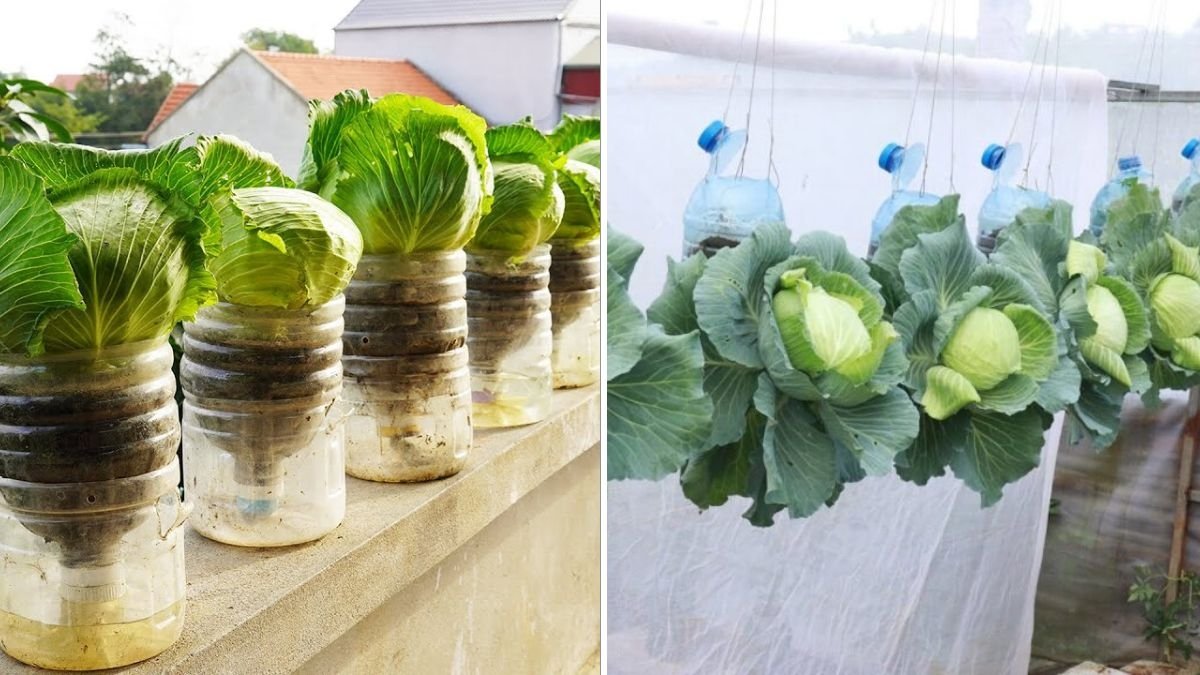
From backyard gardens in the Midwest to raised beds on California patios, cabbage is one of the most dependable — and rewarding — vegetables you can grow. This cool-season crop has been a cornerstone of American kitchens for centuries, featured in everything from coleslaw and sauerkraut to soups and stir-fries.
Cabbage belongs to the Brassica family, making it a close relative of broccoli, cauliflower, and kale. What makes cabbage truly special is its versatility, nutrition, and resilience — it thrives in diverse climates and stores incredibly well after harvest. Whether you’re a beginner gardener or a seasoned grower looking to boost your yields, learning how to grow cabbage the right way ensures you’ll enjoy crisp, sweet heads straight from your own garden.
Let’s dive into a step-by-step guide to growing cabbage — the ultimate American garden classic that’s both easy to cultivate and endlessly useful in the kitchen.
1. Why Cabbage Belongs in Every Home Garden
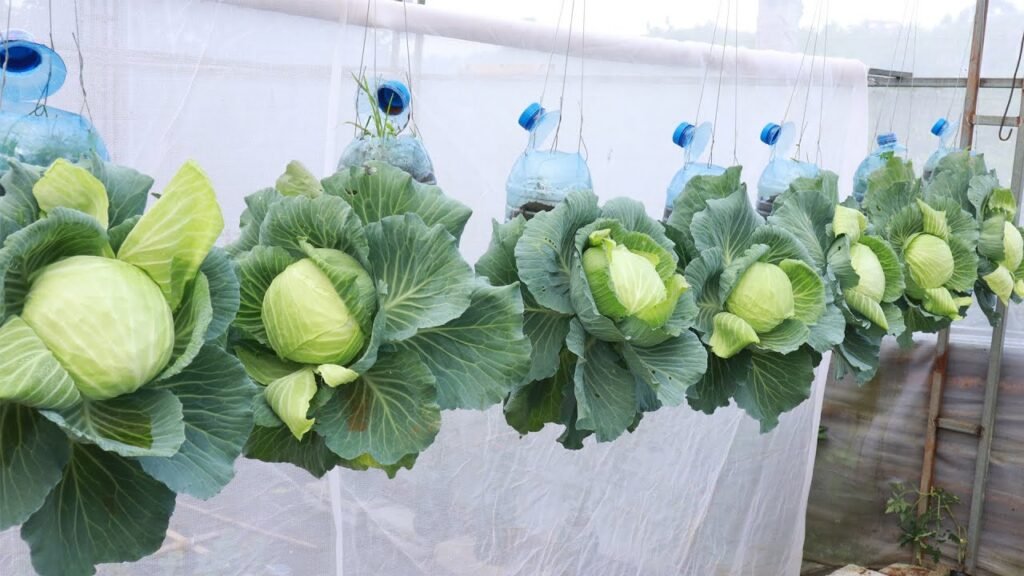
Cabbage is one of those vegetables that gives back more than you put in. It’s tough, forgiving, and extremely nutritious. Here’s why American gardeners love it:
- Versatile in cooking — from slaws to soups, rolls, and sauerkraut.
- Cold-hardy and resilient — thrives in spring and fall.
- Nutrient-rich — packed with vitamins C, K, and fiber.
- Compact — great for small gardens or raised beds.
- Long storage life — keeps fresh for weeks in the fridge.
It’s no wonder cabbage has become a staple in both backyard gardens and homestead farms across the U.S.
2. Understanding the Different Types of Cabbage
Before planting, it’s important to choose the right type of cabbage for your region and taste preferences. Each variety offers unique colors, textures, and growing habits.
Common Types of Cabbage:
- Green Cabbage – The most popular variety, perfect for salads, stir-fries, and coleslaw.
- Red Cabbage – Vibrant purple leaves with a slightly peppery flavor; great for color contrast in dishes.
- Savoy Cabbage – Crinkled, tender leaves ideal for stuffed cabbage rolls.
- Napa Cabbage (Chinese Cabbage) – Mild and juicy, used in Asian dishes like kimchi and stir-fry.
Top Varieties for American Gardens:
- Golden Acre: Compact heads, perfect for small spaces.
- Late Flat Dutch: Great for long storage and large yields.
- Stonehead: Resistant to splitting; produces dense, uniform heads.
- Red Express: A beautiful, early-maturing red cabbage variety.
- Savoy King: Sweet, crinkled leaves that hold up well in cooler climates.
By mixing varieties, you can enjoy a steady harvest from early spring through late fall.
3. When and Where to Plant Cabbage
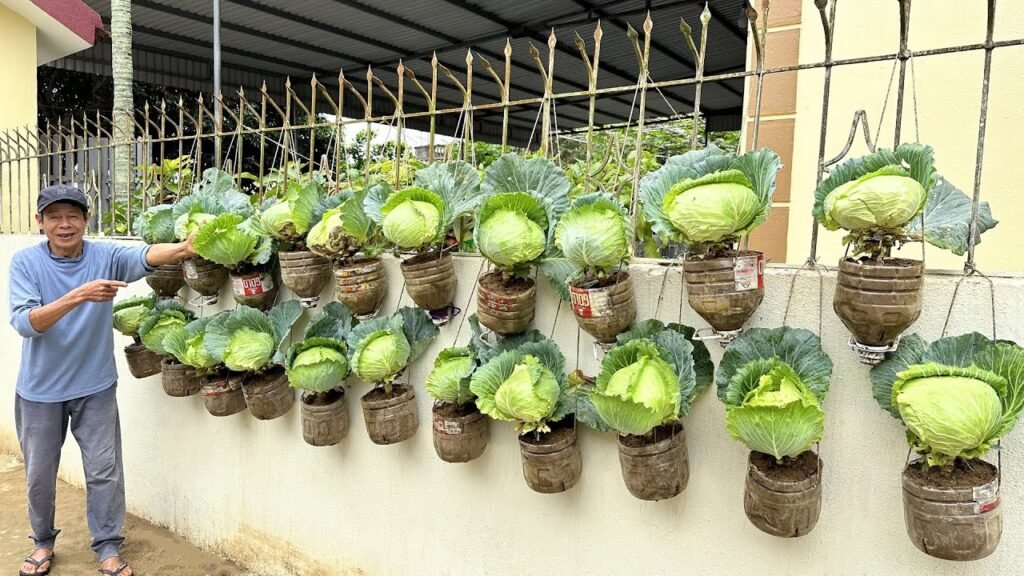
Cabbage thrives in cool weather, so timing your planting is key.
Best Planting Times by Region:
- Southern States: Plant in late fall or winter for spring harvest.
- Northern & Midwest Regions: Start seeds indoors 6–8 weeks before the last frost, then transplant outdoors once the soil can be worked.
- Pacific Northwest: Enjoy nearly year-round planting in mild climates.
Cabbage prefers full sun (6–8 hours daily) and well-draining, fertile soil with a pH between 6.0 and 6.8. Avoid planting in the same spot as other Brassicas (like broccoli or kale) for at least 2 years to prevent soil-borne diseases.
4. How to Plant Cabbage: Step-by-Step
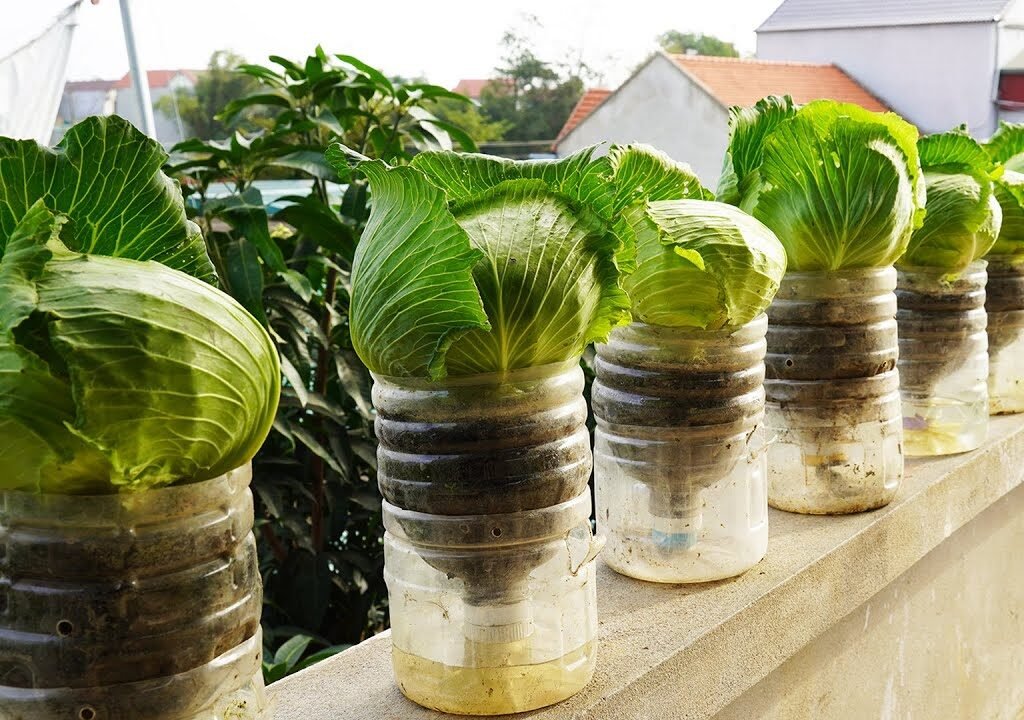
Starting Seeds Indoors
- Sow seeds ¼ inch deep in seed trays or small pots.
- Keep them in a warm, bright spot — around 65°F–75°F.
- Transplant seedlings outdoors when they have 4–6 true leaves and are about 4 inches tall.
Transplanting Outdoors
- Space plants 18–24 inches apart in rows about 2–3 feet apart.
- Dig holes deep enough to cover the stem up to the first leaves.
- Water well after planting to help the roots establish.
Pro tip: Harden off seedlings before transplanting by exposing them to outdoor conditions for a few hours each day over a week.
5. Caring for Cabbage: Keep It Growing Strong
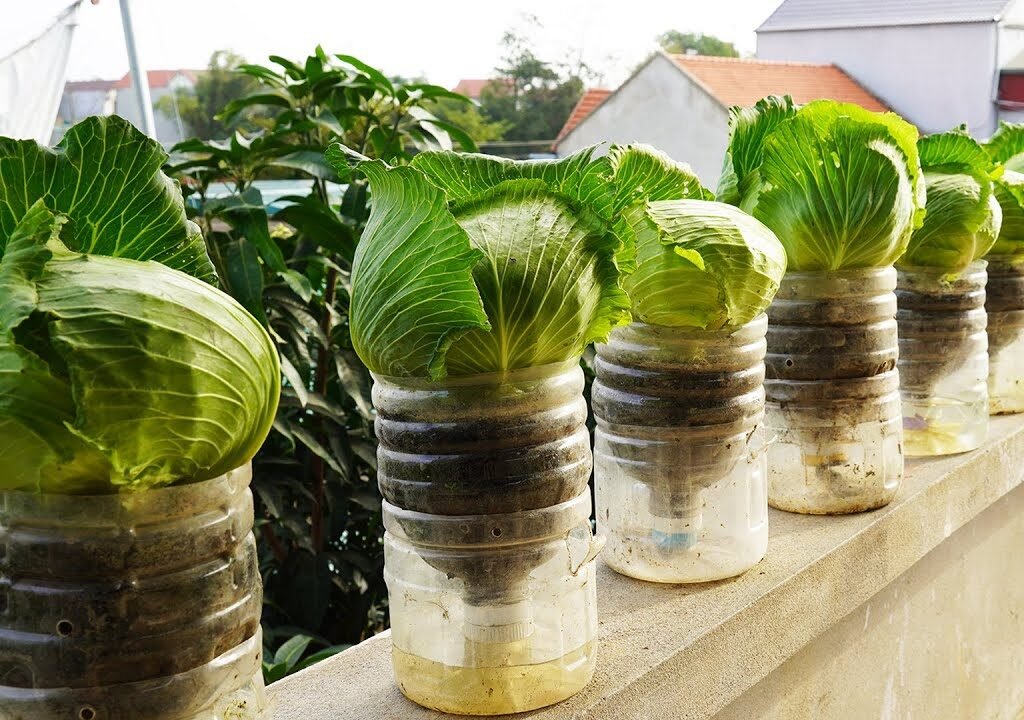
Cabbage is hardy, but it still benefits from a little TLC throughout the growing season.
Watering
Cabbage needs consistent moisture to form tight, crisp heads. Water deeply once or twice a week, keeping the soil evenly moist but not soggy. Irregular watering can cause heads to split.
Fertilizing
Feed with a nitrogen-rich fertilizer about 3 weeks after transplanting to promote leafy growth. Compost or organic vegetable fertilizer works great.
Mulching
Apply a 2–3 inch layer of mulch to retain moisture, regulate soil temperature, and suppress weeds.
Pest Control
Keep an eye out for these common cabbage pests:
- Cabbage loopers and worms – Handpick or use organic BT spray.
- Aphids – Spray with water or neem oil.
- Flea beetles – Use row covers early in the season.
- Cabbage root maggots – Rotate crops and use floating row covers.
Healthy soil and good spacing go a long way in preventing pest issues.
6. When and How to Harvest Cabbage
Cabbage heads are ready for harvest 70–120 days after planting, depending on the variety.
You’ll know it’s time to harvest when:
- The heads are firm and compact when squeezed.
- The size matches the variety’s description (usually 3–8 inches in diameter).
Use a sharp knife to cut the head at the base, leaving the outer leaves and stem in place. Sometimes, smaller “side heads” will grow afterward for a second mini harvest.
Tip: If you can’t harvest immediately, twist the heads slightly to break some roots — this helps prevent splitting during heavy rain.
7. Storing and Preserving Cabbage
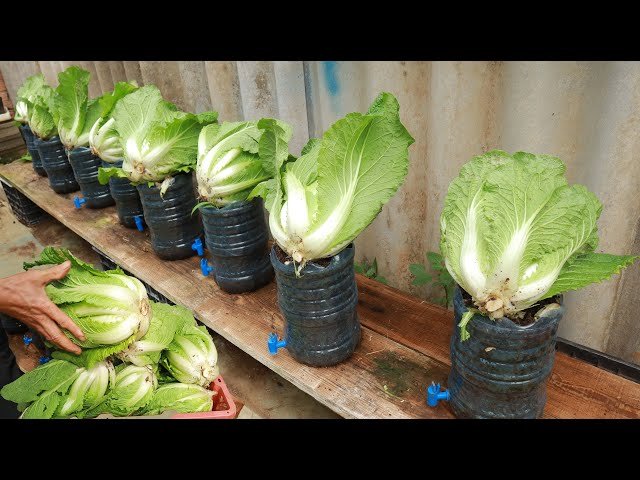
One of the best things about cabbage is how long it lasts.
- Store fresh cabbage heads in the refrigerator for up to 3 weeks.
- For long-term storage, keep in a cool, dark, and humid area (32°F–40°F) for up to 2 months.
- Cabbage also freezes well after blanching and can be fermented into sauerkraut or kimchi for even longer preservation.
Homegrown cabbage stays crisp and flavorful far longer than store-bought — making it an excellent winter pantry vegetable.
8. Health Benefits of Cabbage: The Hidden Superfood
Cabbage may look humble, but it’s one of the most nutrient-dense foods you can eat.
Top Health Benefits:
- Rich in Vitamin K and C: Supports immunity, bone health, and brain function.
- High in Fiber: Promotes digestion and helps maintain healthy cholesterol.
- Loaded with Antioxidants: Fights inflammation and supports cell repair.
- Low in Calories, Big in Nutrition: Perfect for weight management diets.
- Detoxifying Power: Sulforaphane compounds help your liver flush out toxins.
Including cabbage in your diet regularly can support your overall wellness and even lower your risk of chronic diseases.
9. Companion Planting with Cabbage
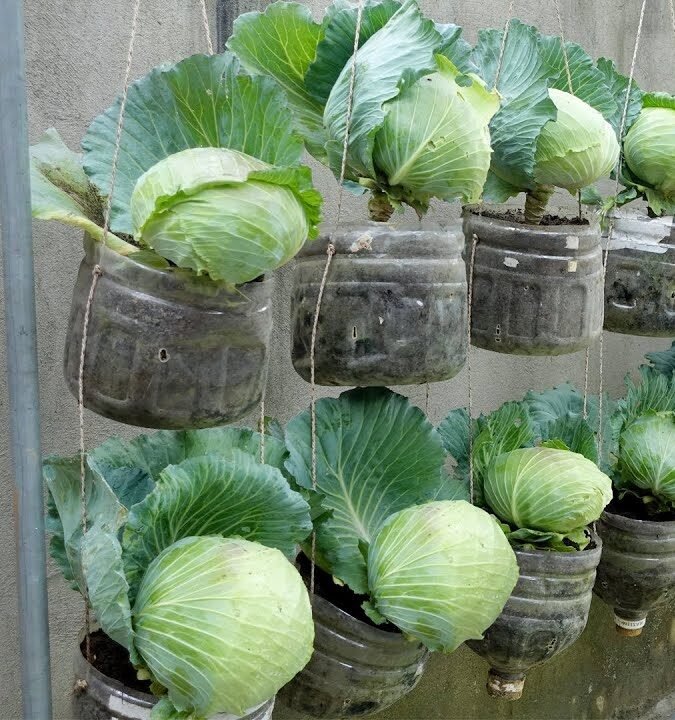
Cabbage gets along with a variety of plants that enhance its growth and repel pests naturally.
Best Companions:
- Onions, garlic, and leeks – repel cabbage worms.
- Beets and celery – improve soil nutrients.
- Herbs like dill and rosemary – deter insects and attract beneficial pollinators.
Avoid planting near:
- Strawberries, tomatoes, or pole beans — they compete for nutrients and space.
Companion planting keeps your cabbage bed balanced and pest-free without chemicals.
10. Common Problems (and How to Fix Them)
Even the best gardeners face a few cabbage challenges — here’s how to tackle them:
- Loose heads: Usually caused by too much heat — plant earlier or use shade cloth.
- Split heads: Water evenly and twist the stem slightly once the head forms.
- Yellowing leaves: Could indicate nutrient deficiency — add compost or fertilizer.
- Bolting (flowering early): Happens in high heat — stick to cool-season planting.
With a bit of attention and care, you’ll enjoy strong, full heads that store beautifully.
Conclusion: A Classic Crop That Keeps on Giving
Cabbage is more than just a crunchy salad ingredient — it’s a symbol of self-sufficiency, health, and tradition. Whether you’re growing in raised beds, containers, or a backyard plot, this cool-weather champion rewards you with hearty harvests, nutritious meals, and garden satisfaction all season long.
From planting seeds in early spring to slicing crisp heads for a homemade coleslaw, cabbage brings flavor and freshness straight from your garden to your kitchen.
So this season, plant a few rows of cabbage — and discover why this timeless vegetable remains one of America’s favorite garden crops.

Leave A Comment