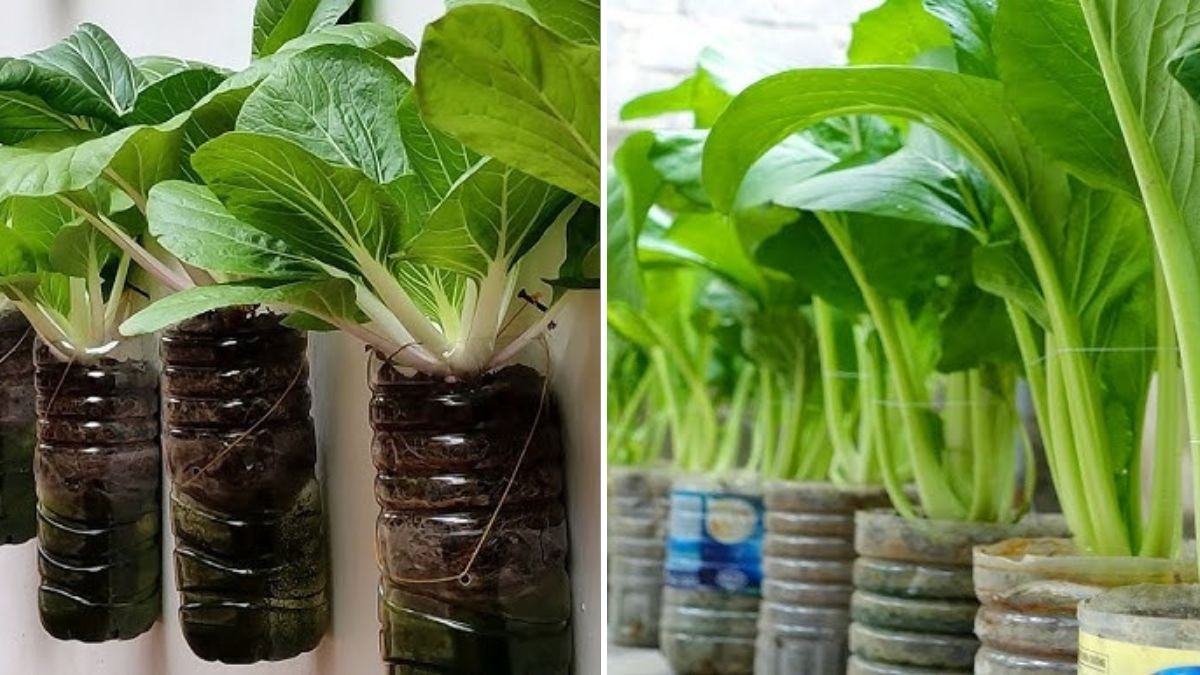
If you’ve ever enjoyed a plate of tangy, peppery greens alongside cornbread and fried chicken, you’ve already met one of the most underrated stars of the garden — mustard greens. Known for their zesty flavor and impressive nutrient content, mustard greens have been a staple in Southern kitchens for generations. But these vibrant greens aren’t just for the South anymore — they’re making waves in kitchen gardens across America, loved by home gardeners for their fast growth, hardiness, and incredible health benefits.
Whether you want to add a nutrient-rich crop to your backyard or spice up your salads with something more exciting than spinach, mustard greens are your new garden must-have. Let’s dig into how to grow, harvest, and enjoy this leafy powerhouse from seed to plate.
1. Why Mustard Greens Deserve a Spot in Your Garden
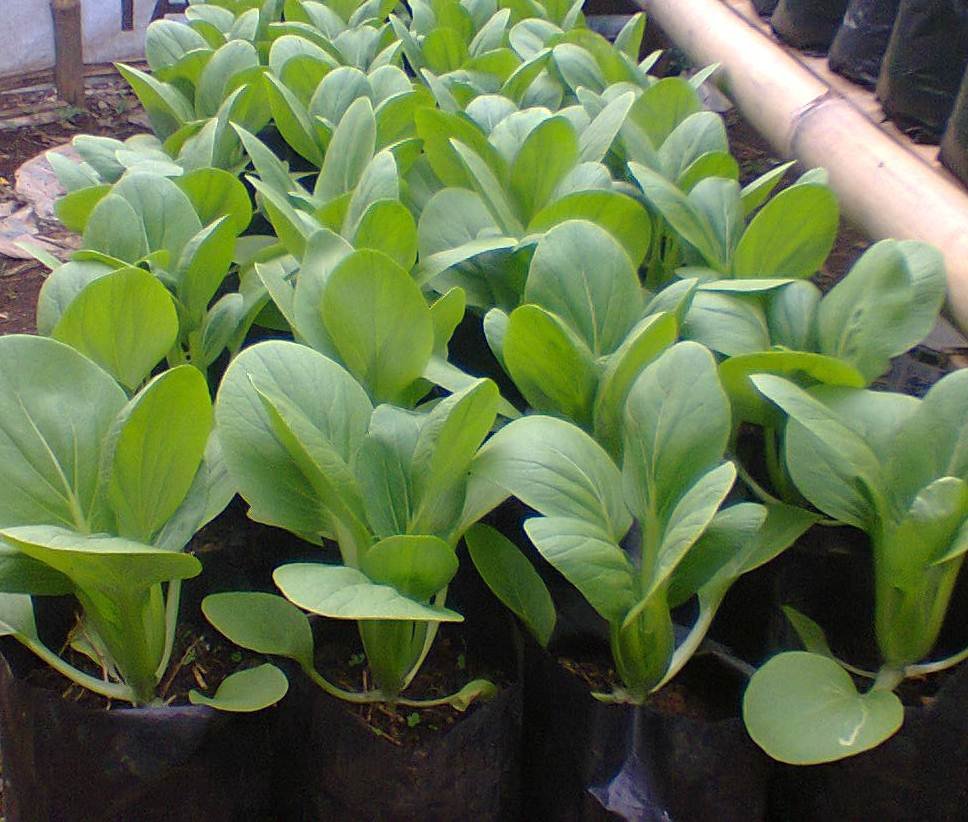
Mustard greens (Brassica juncea) belong to the same family as kale, broccoli, and cabbage. What makes them special is their bold, peppery flavor that can range from mildly spicy to tongue-tingling, depending on the variety and growing conditions.
Here’s why they’re a top choice for home gardeners in the U.S.:
- Quick to mature — ready to harvest in just 30–40 days.
- Cold-tolerant — perfect for early spring and fall planting.
- Rich in nutrients — packed with vitamins A, C, and K, plus antioxidants and fiber.
- Low maintenance — they thrive even in less-than-perfect soil.
- Versatile in the kitchen — sautéed, steamed, or added raw to salads.
If you love greens with personality, mustard greens deliver — and they’ll keep your garden lush long after other crops have faded.
2. The Best Varieties of Mustard Greens to Grow in the U.S.
When choosing mustard greens for your garden, you’ll find a mix of classic American favorites and Asian-inspired varieties. Here are some popular types to consider:
- Southern Giant Curled – Traditional Southern-style mustard with large, frilled leaves and a strong flavor.
- Red Giant – Deep reddish-purple leaves with a spicy bite and ornamental appeal.
- Green Wave – Slow to bolt and heat-tolerant, great for warmer regions.
- Tendergreen – Mild flavor, smooth leaves, and fast growth.
- Mizuna – A Japanese mustard with delicate, feathery leaves and a mild peppery flavor.
- Wasabina – Known for its wasabi-like heat — perfect for spice lovers.
Whether you prefer mild, decorative greens or bold, fiery flavors, there’s a mustard variety to match your taste and climate.
3. How to Plant Mustard Greens: From Seed to Sprout
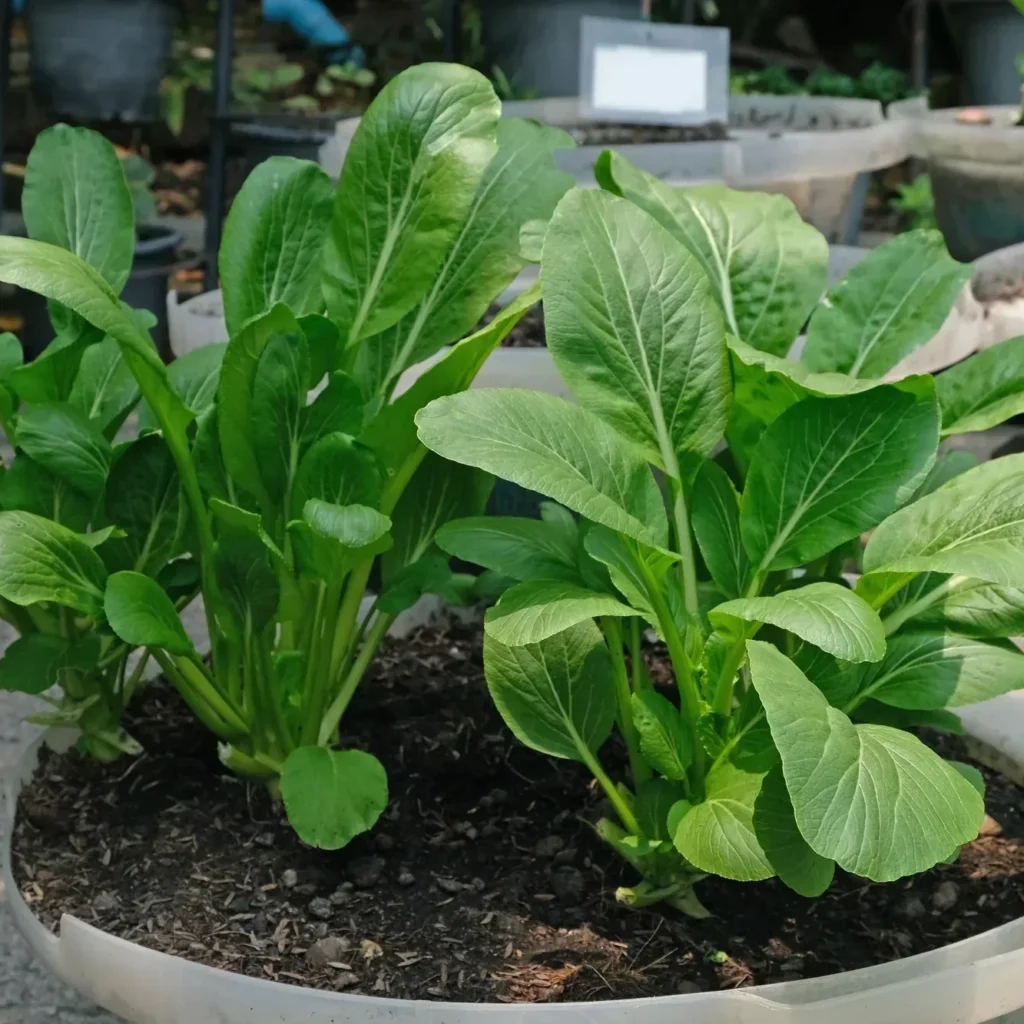
One of the best things about mustard greens is how easy they are to grow, even for beginners. Here’s a step-by-step guide:
When to Plant
- In cooler climates (like the Midwest or Northeast), plant seeds in early spring or late summer.
- In warmer regions (like the South), fall is the ideal time — they love cool weather but can handle mild frost.
Where to Plant
Mustard greens prefer full sun but can tolerate partial shade. Choose a spot with well-draining soil and moderate fertility.
Planting Steps
- Loosen the soil to about 6 inches deep.
- Mix in compost or organic fertilizer.
- Sow seeds ½ inch deep and 2 inches apart.
- Thin seedlings to 6–12 inches apart once they sprout.
Keep the soil moist but not soggy, and you’ll see seedlings within a week.
4. Caring for Mustard Greens: Keep Them Thriving
Mustard greens are pretty low-maintenance, but a little extra care can make your harvest more abundant and flavorful.
Watering
Water regularly — about 1 inch per week. Dry soil can make the leaves tough and bitter.
Fertilizing
Add a nitrogen-rich fertilizer once or twice during the growing season to encourage lush leaf growth.
Mulching
Use mulch to keep the soil cool, moist, and weed-free. This also helps extend the harvest season into early summer.
Pest Control
Watch out for:
- Flea beetles – tiny black insects that chew holes in leaves.
- Aphids – spray them off with water or neem oil.
- Cabbage worms – handpick or use organic BT spray.
Healthy plants with good air circulation are less likely to have pest problems.
5. Harvesting Mustard Greens at the Perfect Time
Mustard greens grow fast, and the key to getting the best flavor is timing your harvest right.
- Baby greens can be picked when leaves are about 3–4 inches long — great for salads.
- Full-sized greens are ready at 6–8 inches — perfect for cooking.
- Cut outer leaves first and let the center continue producing for weeks of fresh harvest.
Avoid waiting too long, as older leaves can become tough and overly spicy.
6. Cooking and Enjoying Mustard Greens
Mustard greens bring flavor, texture, and nutrition to any dish. Here are a few delicious ways to enjoy them:
- Southern-style sautéed greens: Cook with smoked bacon or ham hocks for classic comfort food.
- Garlic stir-fried mustard greens: Add soy sauce, sesame oil, and chili for an Asian twist.
- Mustard greens salad: Toss baby greens with citrus dressing and roasted nuts.
- Soup booster: Add chopped greens to vegetable or lentil soups.
- Smoothie greens: Blend a handful with pineapple or green apple for a detox drink.
Cooking them softens the spice, while raw leaves add a zesty punch — so you can mix and match depending on your mood.
7. Saving Seeds for Next Season
If you let a few plants flower and form seed pods, you can collect seeds for next year — or even make homemade mustard!
- Wait until pods turn brown and dry.
- Snip them off, place them in a paper bag, and shake to release seeds.
- Store in a cool, dry place for up to 4 years.
This sustainable cycle means your garden keeps giving — season after season.
8. Health Benefits That Make Mustard Greens a Superfood
These leafy greens are a nutritional powerhouse, making them a favorite among health-conscious gardeners.
- Vitamin K: Supports strong bones and healthy blood.
- Vitamin A & C: Boost immunity and skin health.
- Antioxidants: Help reduce inflammation and oxidative stress.
- Fiber: Aids digestion and supports heart health.
Incorporating mustard greens into your diet can be a flavorful way to strengthen your body and immune system naturally.
9. Companion Planting: Mustard Greens in a Mixed Garden
Mustard greens not only thrive on their own but also benefit nearby crops.
They repel common garden pests and can be used as a trap crop for insects that might otherwise target your cabbage or kale. Great companion plants include:
- Radishes
- Onions
- Carrots
- Spinach
Avoid planting them near other Brassica crops in the same spot every year to prevent soil-borne diseases.
Conclusion: A Must-Grow Green for Every American Garden
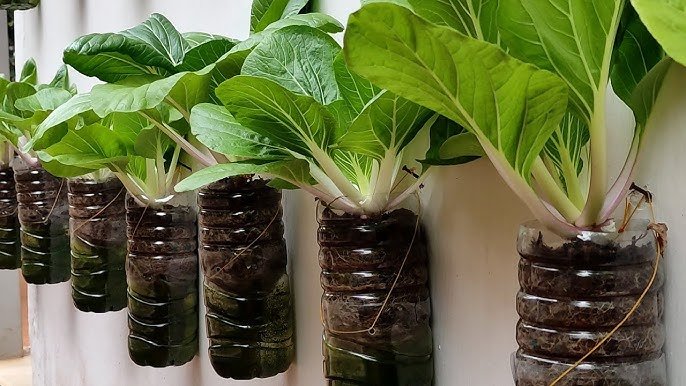
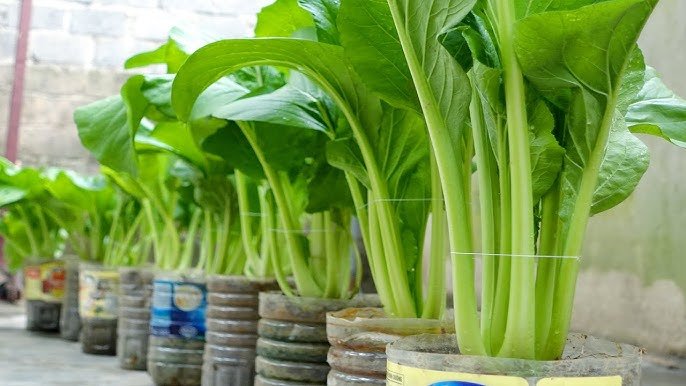
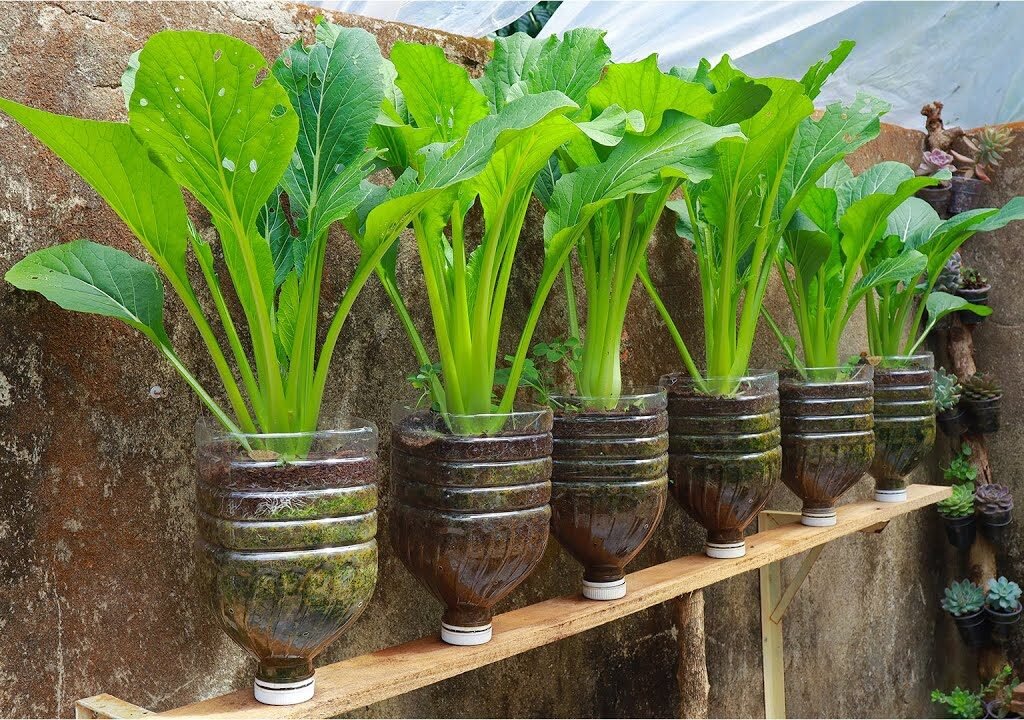
From their peppery flavor to their incredible versatility and quick growth, mustard greens are truly a gardener’s dream crop. Whether you’re planting in raised beds, containers, or directly in the ground, these greens reward you with beauty, nutrition, and a steady harvest throughout the season.
So, next time you’re planning your vegetable patch, make room for mustard greens — they’re bold, flavorful, and deeply rooted in American garden tradition. Grow them once, and they’ll quickly become your go-to green for every meal.

Leave A Comment