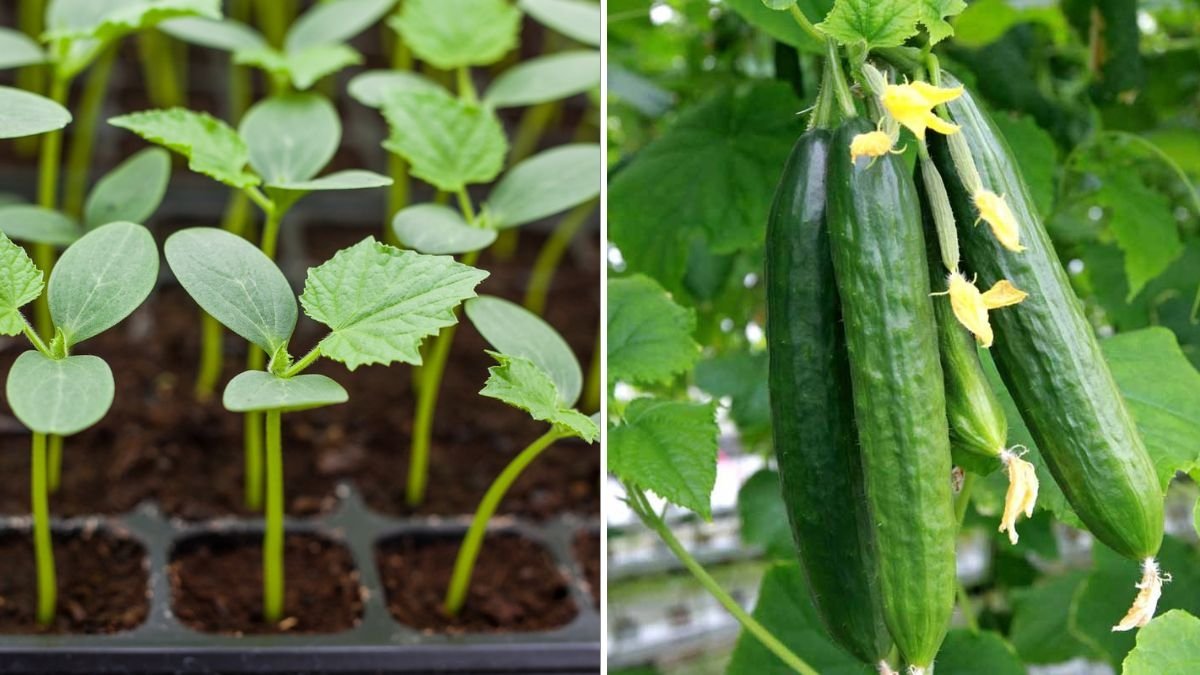
Imagine walking into your backyard or balcony and picking fresh, crisp cucumbers straight from your own plants. Growing cucumbers from seed at home is not only fun and rewarding but also surprisingly easy, especially when using the sack method, a clever technique perfect for small spaces.
This method, popular among urban gardeners, allows you to grow cucumbers in sacks or large bags with minimal soil, no garden beds, and maximum yield. Whether you live in an apartment, a small backyard, or even on a rooftop, you can enjoy a continuous supply of fresh cucumbers without complicated gardening setups.
In this comprehensive guide, you’ll learn everything from selecting seeds and preparing sacks to watering, fertilizing, supporting, and harvesting your homegrown cucumbers.
1. Why Grow Cucumbers in Sacks?
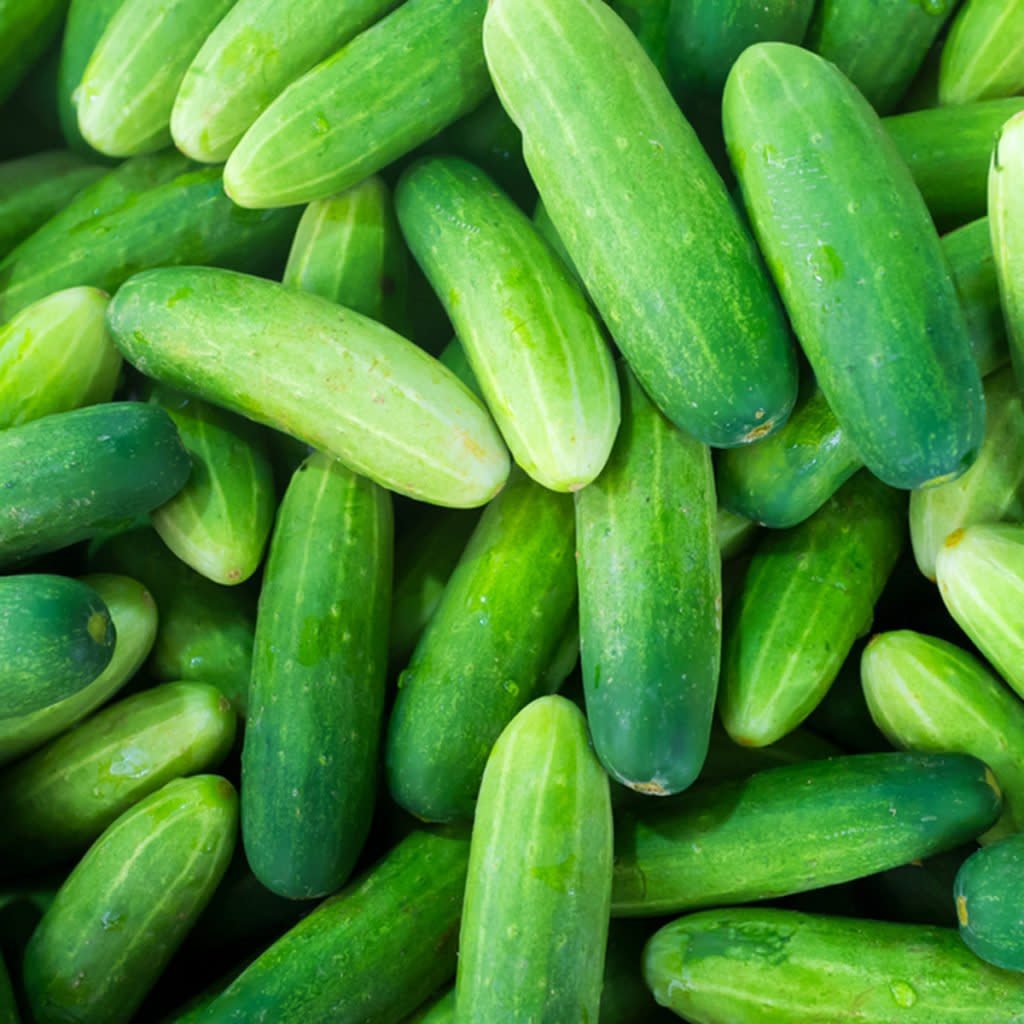
Cucumbers are fast-growing, nutritious, and versatile, but they do require support and sufficient soil to thrive. The sack method offers several advantages:
Benefits of Growing Cucumbers in Sacks:
- Space-saving: Perfect for balconies, patios, and small yards.
- Affordable: Uses sacks or bags you likely already have.
- High-yield: Large root space promotes more fruit production.
- Portable: Move sacks to catch sunlight or protect from harsh weather.
- Beginner-friendly: Easy setup with minimal tools and effort.
This approach is ideal for American urban gardeners or anyone who wants a productive cucumber harvest without a full garden.
2. Choosing the Right Cucumber Variety
Selecting the right cucumber variety is key for success, especially in containers or sacks.
Best Cucumber Varieties for Sacks:
- Bush varieties: Compact, ideal for limited space.
- Example: Bush Champion, Patio Snacker
- Vining varieties: Produce longer fruits; require support.
- Example: Marketmore 76, Straight Eight
- Pickling cucumbers: Smaller fruits, great for pickles.
- Example: Boston Pickling, National Pickling
Pro Tip: If growing in sacks, choose a variety suited for container growth, or ensure you provide vertical support for vining types.
3. Materials Needed for Cucumber Sack Gardening
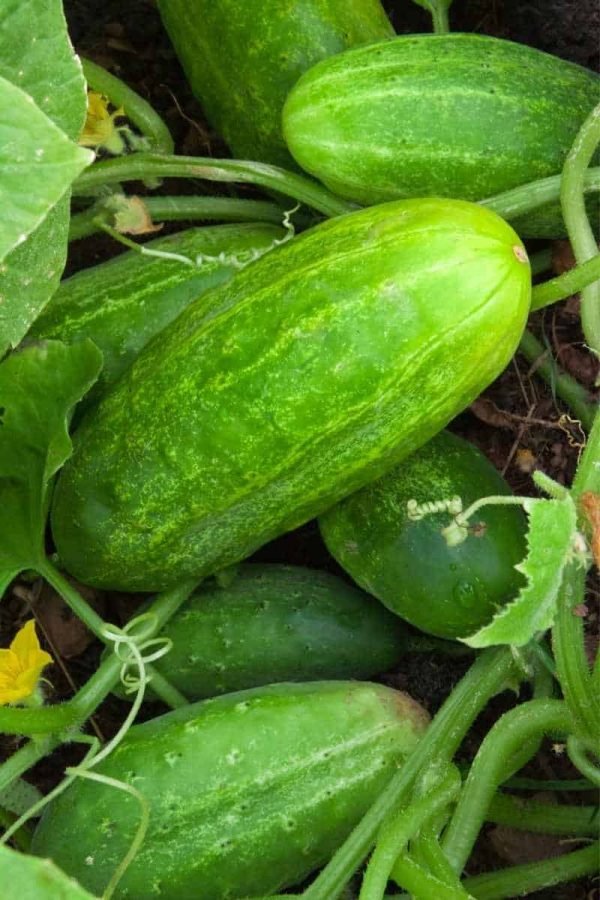
You don’t need a garden bed to start. Here’s what you’ll need:
Materials List:
- Large sacks or grow bags (15–20 gallons or bigger)
- Good-quality potting soil
- Organic compost or vermicompost
- Cucumber seeds
- Stakes, trellis, or bamboo sticks for support
- Watering can or spray bottle
- Optional: Mulch to retain moisture
Tip: Reuse old rice or potato sacks for an eco-friendly and budget-friendly approach.
4. Preparing the Sacks
Proper preparation ensures your cucumbers have the right soil depth and drainage for strong growth.
Step-by-Step Preparation:
- Fill each sack ¾ full with a mix of potting soil and compost.
- Create a small depression at the top for planting seeds.
- If sacks are solid, poke holes at the bottom for drainage.
- Place sacks in a sunny spot, ensuring at least 6–8 hours of sunlight daily.
5. Preparing the Soil Mix
Cucumbers thrive in loose, fertile soil with excellent drainage.
Ideal Soil Mix for Cucumber Sacks:
- 50% potting soil
- 30% compost
- 20% sand or coco peat for aeration
Pro Tip: Add a handful of bone meal or slow-release fertilizer to promote flowering and fruiting.
6. Planting Cucumbers from Seed
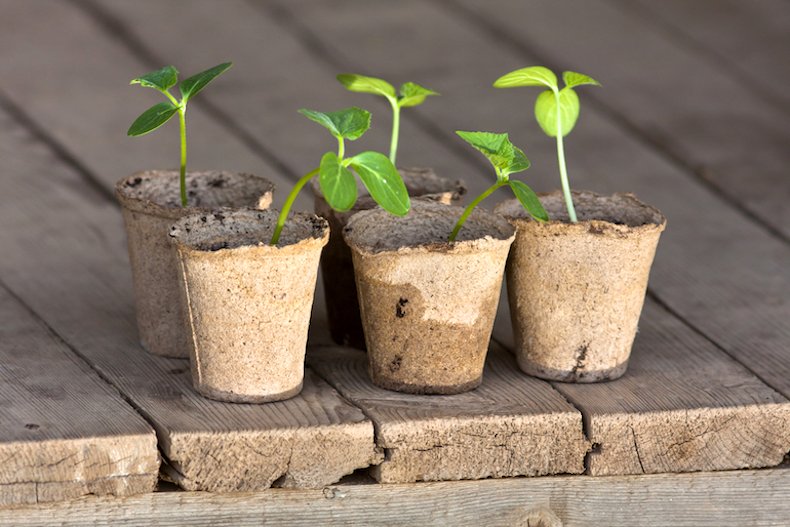
Planting cucumber seeds in sacks is straightforward and highly rewarding.
Step 1: Pre-soak Seeds
- Soak seeds in water for 4–6 hours to improve germination.
Step 2: Plant Seeds
- Plant 2–3 seeds per sack, ½–1 inch deep.
- Cover lightly with soil and water gently.
Step 3: Thinning Seedlings
- After seedlings sprout (5–7 days), thin to one strong plant per sack.
Tip: Keep sacks moist but avoid overwatering, as cucumbers dislike soggy roots.
7. Watering and Moisture Management
Cucumbers need consistent moisture, especially during flowering and fruiting.
Watering Tips:
- Water deeply every 2–3 days (more often in hot climates).
- Water at the base of the plant, avoiding wetting leaves to prevent fungal disease.
- Use mulch to retain soil moisture and regulate temperature.
8. Fertilizing Cucumbers
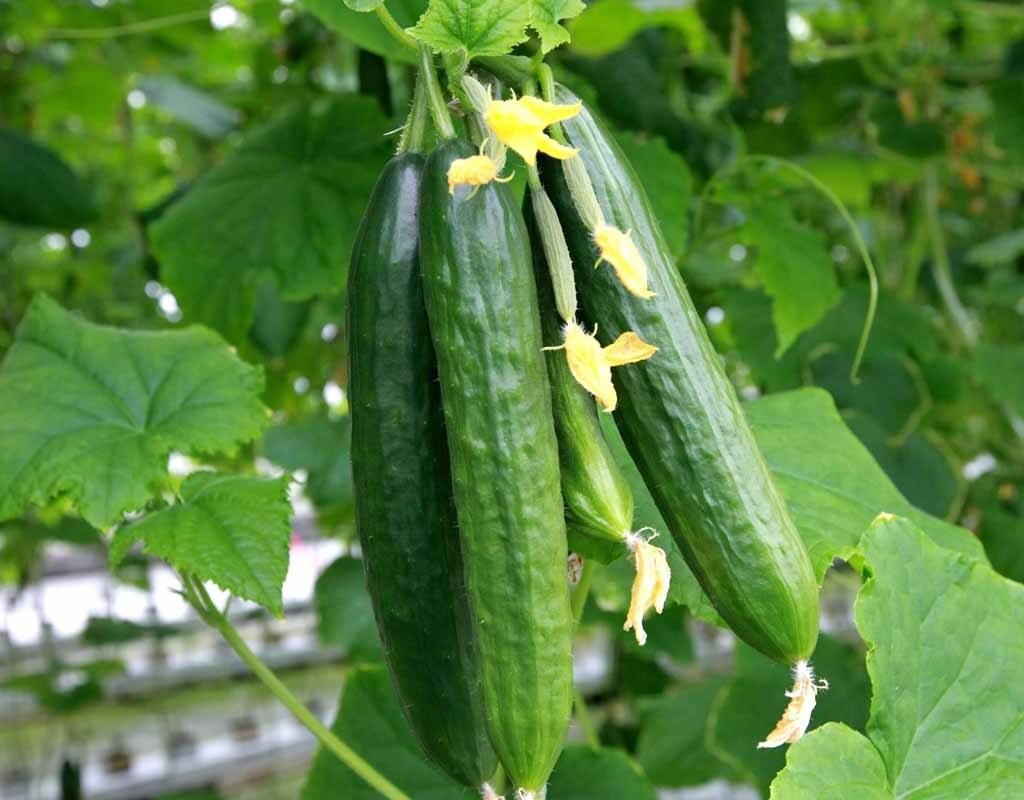
Because cucumber roots are confined to sacks, nutrients can deplete quickly. Regular feeding ensures strong growth.
Feeding Schedule:
- At planting: Mix compost or slow-release fertilizer into soil.
- After 3–4 weeks: Apply a balanced liquid fertilizer every 2 weeks.
- During flowering and fruiting: Use a fertilizer higher in potassium and phosphorus for larger, tastier cucumbers.
9. Supporting Your Plants
Vining cucumbers need vertical support to save space and prevent rot.
How to Provide Support:
- Use bamboo sticks, a trellis, or netting.
- Tie vines loosely with soft strings.
- Ensure good air circulation to reduce fungal disease risk.
Tip: Bush varieties may not need support but still benefit from stakes to keep fruits off the soil.
10. Pollination: Ensuring a Healthy Harvest
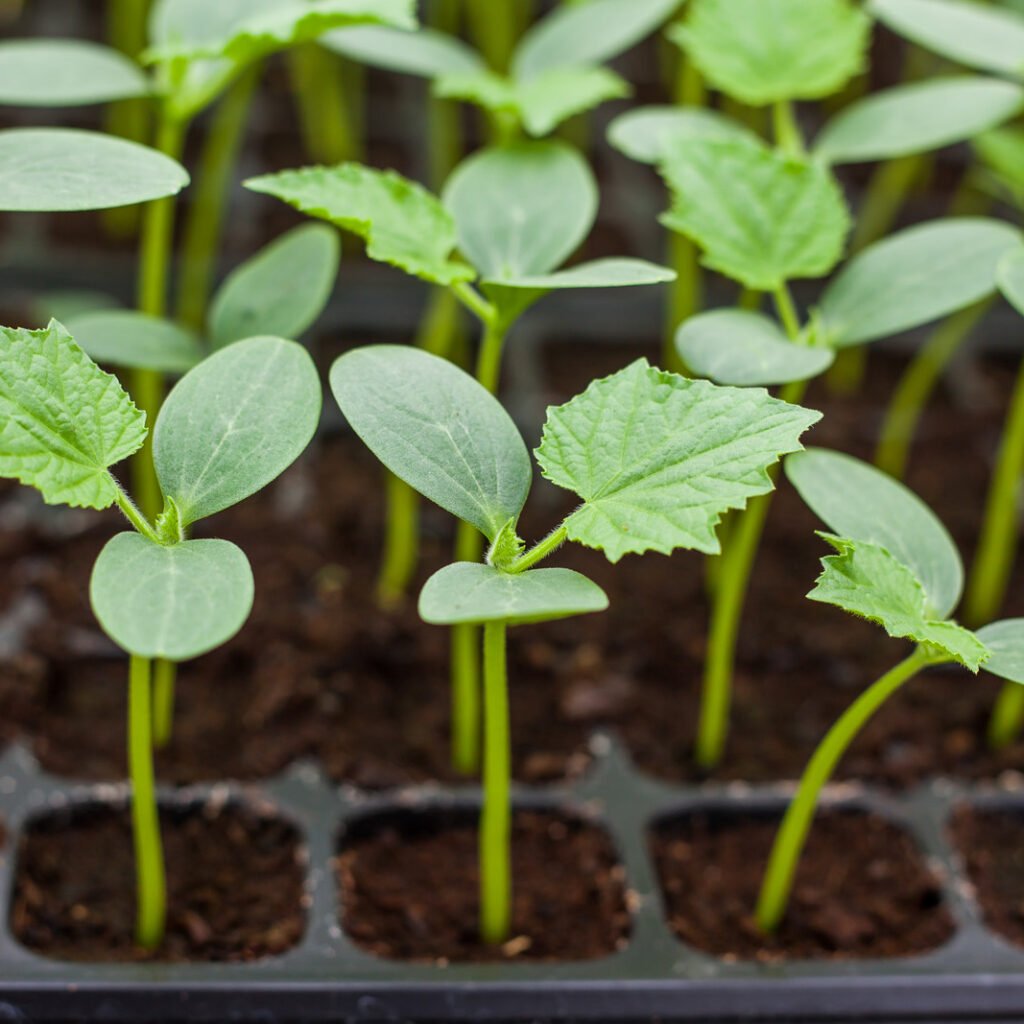
Cucumber flowers produce male and female blooms. Successful fruiting depends on pollination.
Pollination Tips:
- Outdoors, bees and insects usually handle pollination.
- Indoors or low-bee areas: hand-pollinate using a small brush or cotton swab.
- Transfer pollen from male to female flowers gently.
11. Common Pests and Problems
Even in sacks, cucumbers can face pests and diseases.
Common Issues:
- Aphids and whiteflies: Spray with neem oil solution.
- Powdery mildew: Improve airflow, avoid wetting leaves, or use baking soda spray.
- Yellow leaves: Could indicate nutrient deficiency or overwatering.
Pro Tip: Inspect plants weekly to catch issues early and maintain healthy growth.
12. Harvesting Cucumbers
Cucumbers grow quickly — from seed to harvest usually takes 50–70 days, depending on variety.
How to Harvest:
- Pick fruits 6–8 inches long for crisp, tender cucumbers.
- Harvest regularly to encourage continuous production.
- Use scissors or gently twist to avoid damaging the vine.
Tip: Leaving cucumbers on the vine too long can reduce overall yield.
13. Maximizing Yield from Sack Gardening
- Grow one plant per sack for maximum root space.
- Rotate sacks occasionally to ensure even sunlight exposure.
- Mulch regularly and feed with compost tea for larger, tastier fruits.
- Consider planting staggered batches every 2–3 weeks for continuous harvest.
14. Fun Fact: Cucumbers Are Mostly Water
Cucumbers are about 95% water, making them refreshing and hydrating. Growing your own ensures chemical-free, fresh cucumbers, perfect for salads, pickles, or summer drinks.
15. Conclusion: Fresh Cucumbers Anywhere, Anytime
Growing cucumbers from seed in sacks is a brilliant, beginner-friendly gardening idea. It’s space-efficient, cost-effective, and highly productive, making it perfect for urban or small-space gardeners.
With just a few sacks, some soil, seeds, and sunlight, you can enjoy crisp, flavorful cucumbers straight from your home — no garden required. Whether you’re using them in salads, smoothies, or pickles, homegrown cucumbers will elevate your meals and bring the joy of gardening right to your doorstep.
Start today and watch your mini cucumber farm thrive — fresh, organic, and completely yours!

Leave A Comment