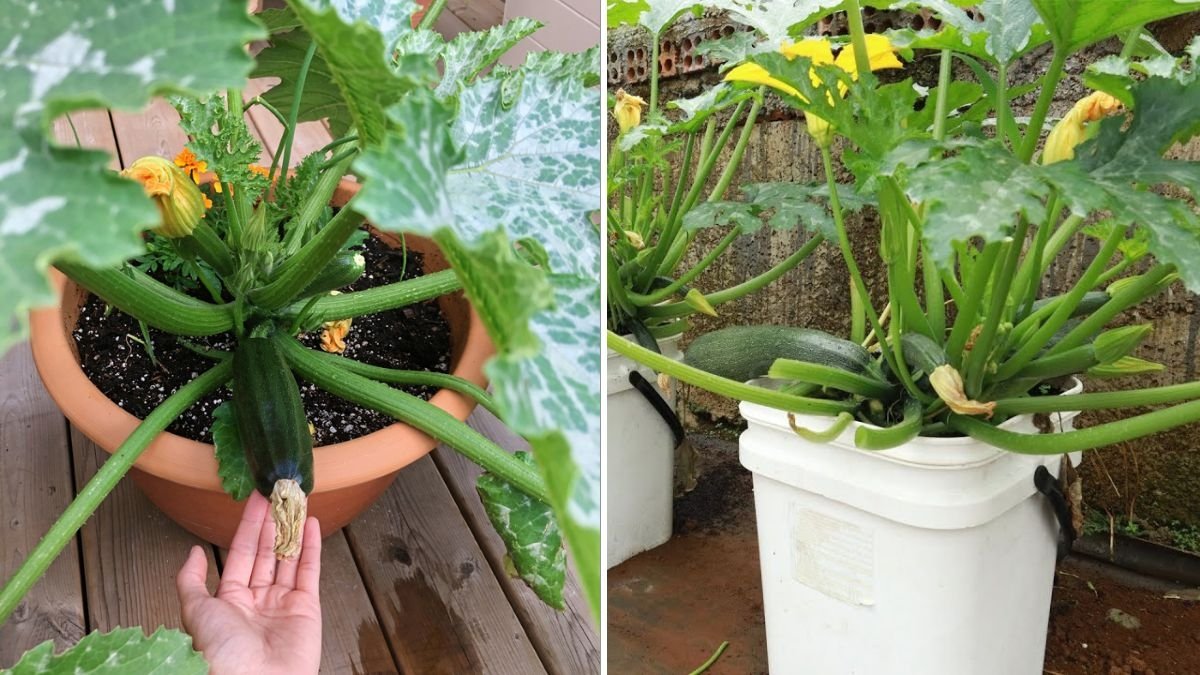
Imagine stepping outside your kitchen door and picking crisp, green zucchini straight from a pot. Sounds too good to be true? It’s not!
Growing zucchini in containers is one of the easiest and most rewarding ways to produce fresh vegetables at home — even if you don’t have a backyard. Whether you live in an apartment, a townhouse, or a home with limited space, container gardening lets you enjoy delicious, organic zucchini all season long.
In this guide, you’ll learn exactly how to grow zucchini in a container, from choosing the right pot and soil to watering, fertilizing, and harvesting your homegrown bounty.
By the end, you’ll know how to turn a small corner of your patio or balcony into a zucchini-producing powerhouse — perfect for stir-fries, salads, and summer grilling.
1. Why Grow Zucchini in Containers?
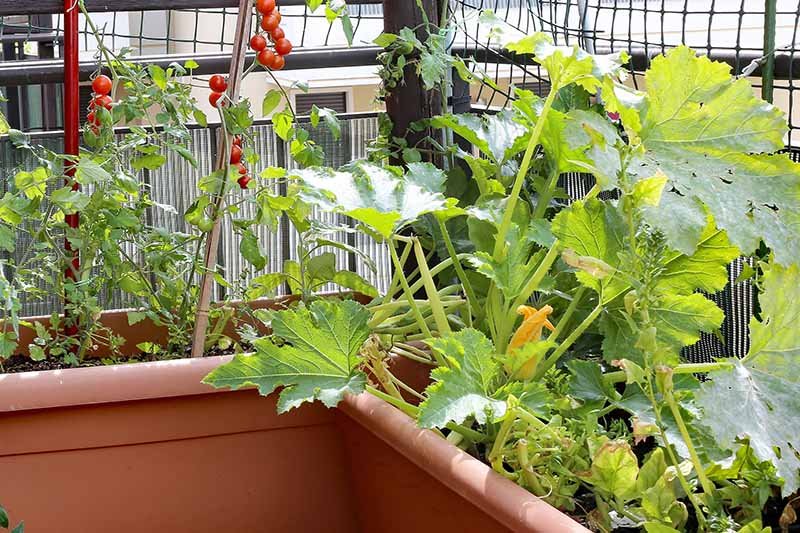
Zucchini (also called courgette) is one of the most productive and low-maintenance vegetables you can grow. One or two plants can yield enough zucchini for an entire family — even when grown in pots.
Benefits of Container-Grown Zucchini:
- Space-efficient: Perfect for patios, balconies, and decks.
- Pest control: Easier to monitor and protect from insects.
- Mobility: Move pots to capture more sunlight or avoid frost.
- Better soil control: Avoid poor garden soil or weeds.
- Aesthetic appeal: Adds greenery and freshness to small spaces.
With just a few containers and proper care, you can enjoy a steady supply of zucchini throughout summer — even if you’ve never gardened before.
2. Choosing the Right Container
Zucchini plants are fast-growing and need space for their roots to spread. The container you choose plays a major role in their success.
Ideal Container Size:
- Minimum: 5 gallons (18–20 inches deep)
- Ideal: 10–15 gallons for vigorous growth and higher yields
If you’re growing bush varieties (compact types), one plant per container works perfectly. For vining varieties, use larger pots or support trellises to guide their growth.
Best Container Types:
- Plastic or resin pots: Lightweight and retain moisture.
- Fabric grow bags: Great airflow, prevents root rot.
- Wooden barrels or crates: Natural insulation for roots.
Pro Tip: Ensure your container has drainage holes at the bottom. Zucchini roots dislike standing water.
3. The Perfect Soil Mix for Zucchini
Zucchini loves well-draining, nutrient-rich soil. The key is balancing moisture retention with airflow around the roots.
DIY Potting Mix Recipe:
- 40% high-quality potting soil
- 40% organic compost
- 20% perlite or coco peat for drainage
Optional: Add a handful of slow-release fertilizer or worm castings to give your plant a nutrient boost.
Ideal Soil pH:
Keep between 6.0 and 7.5 — slightly acidic to neutral soil helps zucchini absorb nutrients efficiently.
4. Choosing the Right Zucchini Variety
Not all zucchini varieties perform equally well in containers. For best results, go for compact or bush types that stay small but produce abundantly.
Top Zucchini Varieties for Containers:
- Bush Baby: Compact, early producer.
- Raven: Dark green fruit, perfect for small spaces.
- Black Beauty: Classic flavor, grows well in pots.
- Patio Star: Specifically bred for container gardening.
- Eight Ball: Round zucchini ideal for grilling and stuffing.
You can start from seeds or seedlings — both work well for container setups.
5. Planting Zucchini: Step-by-Step
Step 1: Fill the Container
Fill your pot with the prepared soil mix, leaving about 2 inches of space at the top.
Step 2: Plant the Seeds or Seedlings
- If planting seeds, sow 2–3 seeds about 1 inch deep.
- Once seedlings emerge (after 5–7 days), thin out and keep the strongest plant.
- If planting nursery seedlings, place one plant per container.
Step 3: Position in Sunlight
Zucchini thrives in full sun — at least 6–8 hours of direct light daily.
Place your pot on a south-facing patio, balcony, or sunny windowsill.
6. Watering and Moisture Control
Zucchini plants need consistent moisture to produce tender, juicy fruits. However, overwatering can suffocate the roots.
Watering Tips:
- Water deeply 2–3 times per week (more often in hot climates).
- Always check soil moisture — it should feel damp, not soggy.
- Water early in the morning to allow foliage to dry by evening.
To prevent evaporation, mulch the surface with straw, shredded leaves, or coco husk. This keeps the soil cool and reduces watering frequency.
7. Feeding Your Container Zucchini
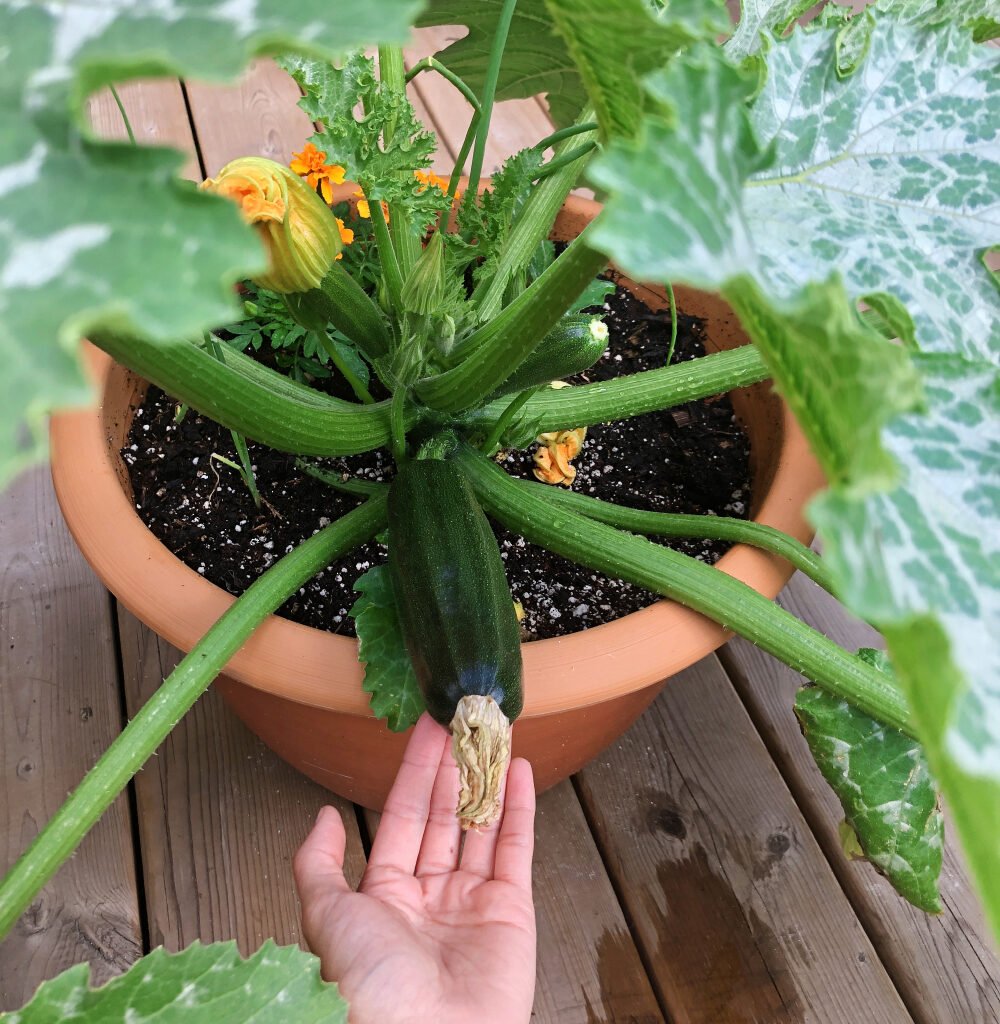
Container-grown plants rely entirely on you for nutrients, so feeding regularly ensures lush growth and abundant harvests.
Feeding Schedule:
- At planting: Mix organic compost or slow-release fertilizer.
- Every 2 weeks: Feed with a balanced liquid fertilizer (10-10-10).
- During flowering: Switch to a bloom-boosting fertilizer rich in phosphorus and potassium.
Organic options like fish emulsion, compost tea, or banana peel fertilizer work beautifully to boost fruiting and flavor.
8. Supporting and Pruning for Maximum Growth
Zucchini grows fast, and even bush types can sprawl. Keeping your plant well-shaped ensures proper airflow and disease prevention.
Pruning Tips:
- Remove yellowing or damaged leaves to promote air circulation.
- Trim lower leaves to prevent soil splashing during watering.
- Don’t over-prune — keep enough foliage for photosynthesis.
For vining zucchini, add a small trellis or tomato cage to help it climb. This saves space and keeps fruits off the soil, reducing rot.
9. Pollination: Helping Your Zucchini Produce Fruit
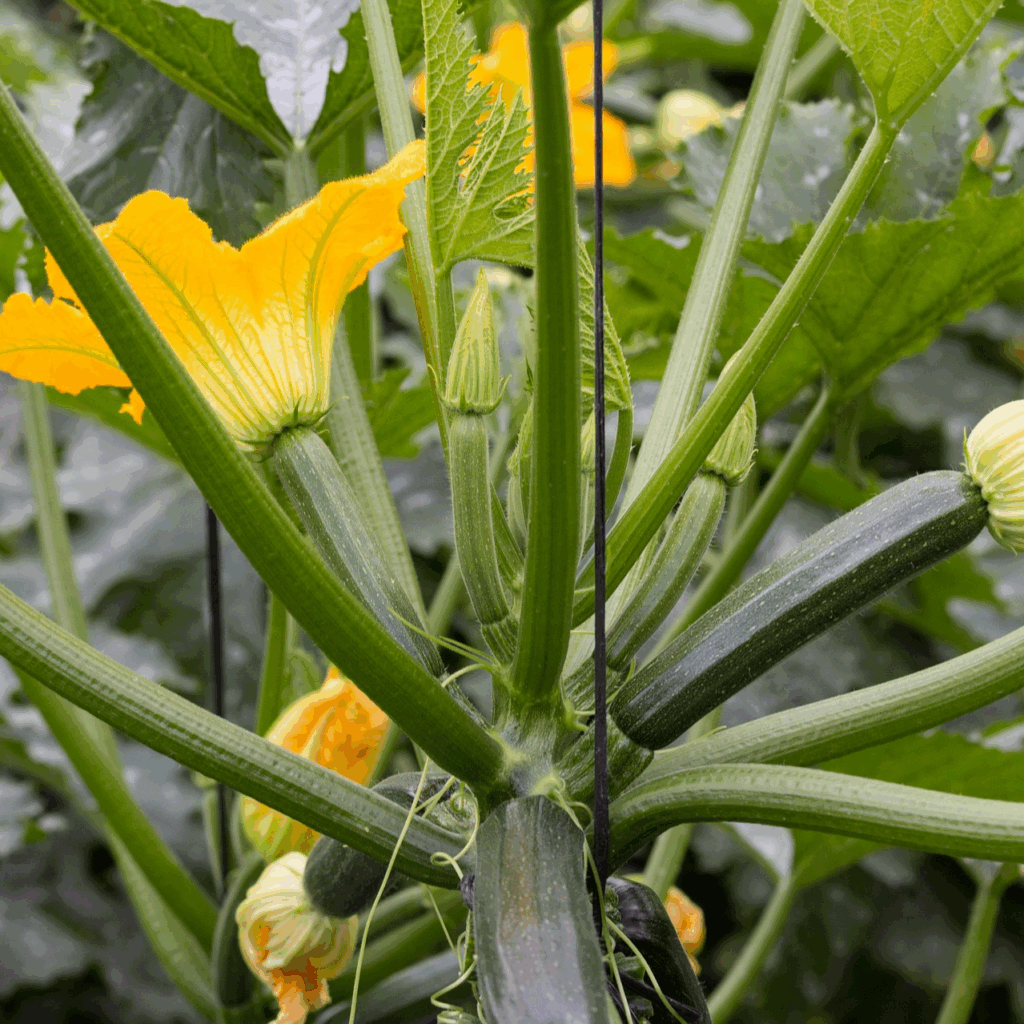
Zucchini plants produce separate male and female flowers, and they need pollination to set fruit.
Male vs. Female Flowers:
- Male flowers: Grow on thin stems and appear first.
- Female flowers: Have a tiny zucchini behind the blossom.
If you’re growing indoors or have limited bees, use a small brush to hand-pollinate:
- Gently collect pollen from a male flower.
- Dab it inside the center of a female flower.
Within a few days, you’ll see the fruit start to swell!
10. Common Pests and How to Prevent Them
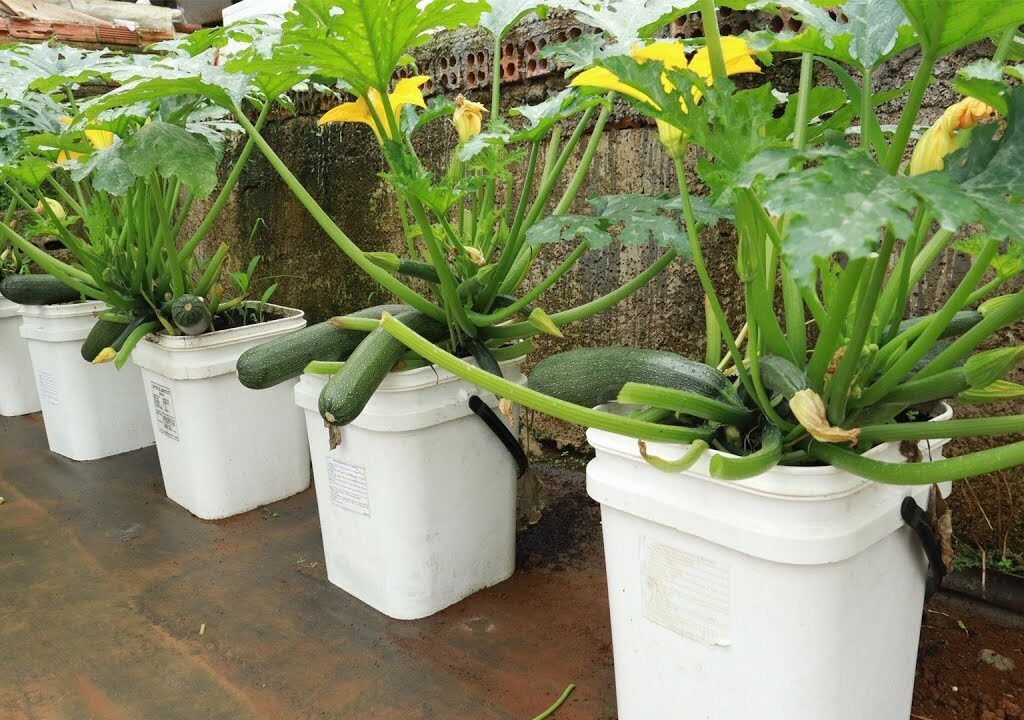
Even in containers, zucchini can attract some pests. Here’s how to protect your plants naturally.
Common Pests:
- Aphids: Spray with neem oil or insecticidal soap.
- Squash bugs: Remove by hand and destroy eggs under leaves.
- Powdery mildew: Prevent with good airflow and baking soda spray (1 tsp baking soda + 1 quart water).
Avoid overwatering and overcrowding — these conditions attract pests and fungal problems.
11. Harvesting Zucchini the Right Way
The best part of growing zucchini is harvesting — and it happens quickly!
When to Harvest:
- Usually 45–60 days after planting.
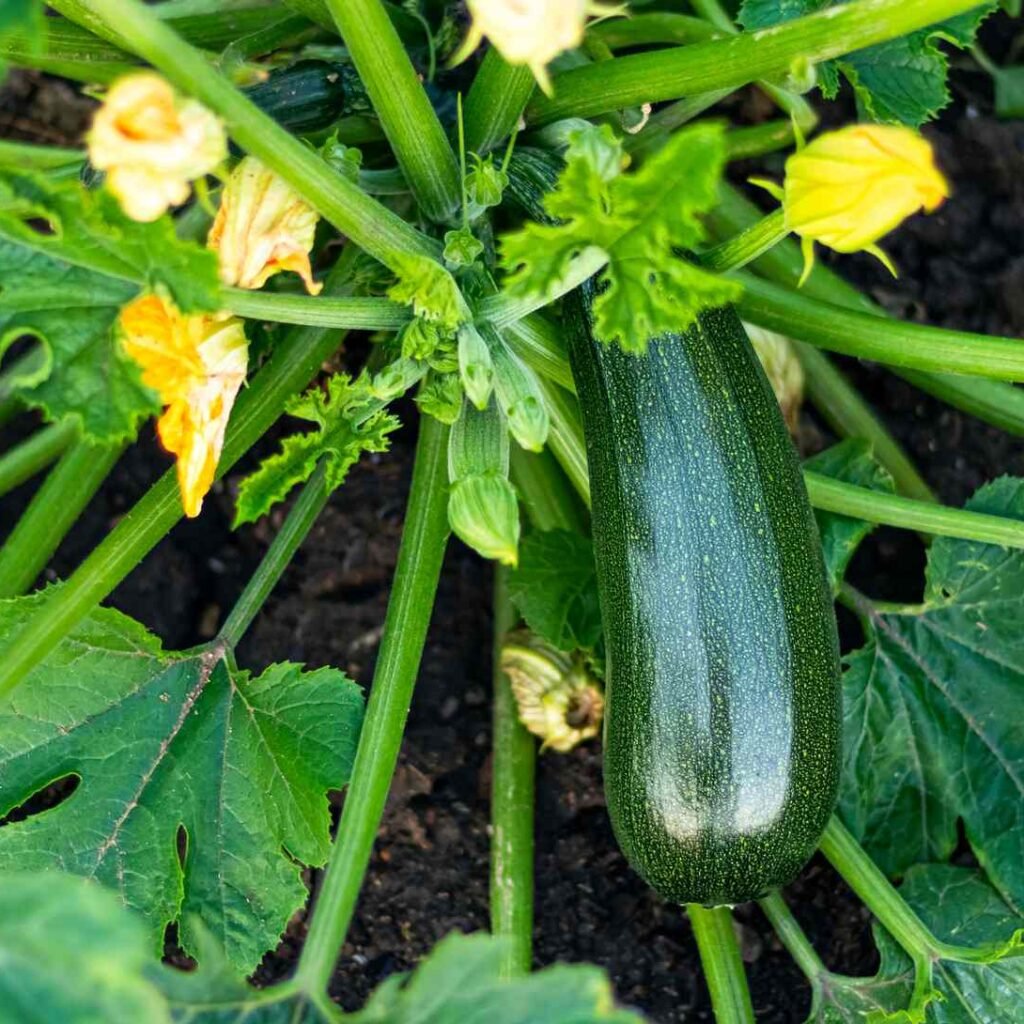
- Pick fruits when they’re 6–8 inches long for best flavor.
- Use scissors or pruning shears to cut rather than twist.
Frequent harvesting encourages more fruit production — the more you pick, the more your plant gives!
12. Maximizing Yield from Your Container
To keep your zucchini plant productive all season:
- Feed regularly with compost or fertilizer.
- Harvest frequently to prevent oversized fruit.
- Keep removing dead leaves to promote airflow.
- Rotate the container weekly to ensure even sunlight.
With proper care, each zucchini plant can yield 10–20 pounds of produce throughout the growing season — impressive for a single pot!
13. Troubleshooting Common Issues
| Problem | Cause | Solution |
|---|---|---|
| Yellow leaves | Overwatering or nutrient deficiency | Reduce watering, add compost tea |
| No fruit | Poor pollination | Hand-pollinate flowers manually |
| Powdery spots | Fungal infection | Spray with baking soda solution weekly |
| Drooping plant | Heat stress or root rot | Move to shade temporarily, check drainage |
14. Winter Care & Saving Seeds
If you live in a colder region, zucchini won’t survive frost. However, you can save seeds for next season or grow indoors year-round under LED grow lights.
How to Save Seeds:
- Let one zucchini over-mature on the vine until thick and yellow.
- Scoop out seeds, rinse, and dry completely.
- Store in a cool, dry place for next season’s planting.
Conclusion: Fresh Zucchini, Anywhere, Anytime
Growing zucchini in containers proves that you don’t need a big garden to grow big results. With the right setup, even a small balcony can produce baskets of fresh, delicious zucchini ready for summer grilling, pasta dishes, or salads.
It’s affordable, rewarding, and sustainable — perfect for anyone who wants to live a greener, healthier lifestyle.
So grab a pot, some soil, and a few seeds — and get ready to enjoy your own homegrown zucchini harvest right from your patio. You’ll be amazed at how easy and satisfying it is!

Leave A Comment