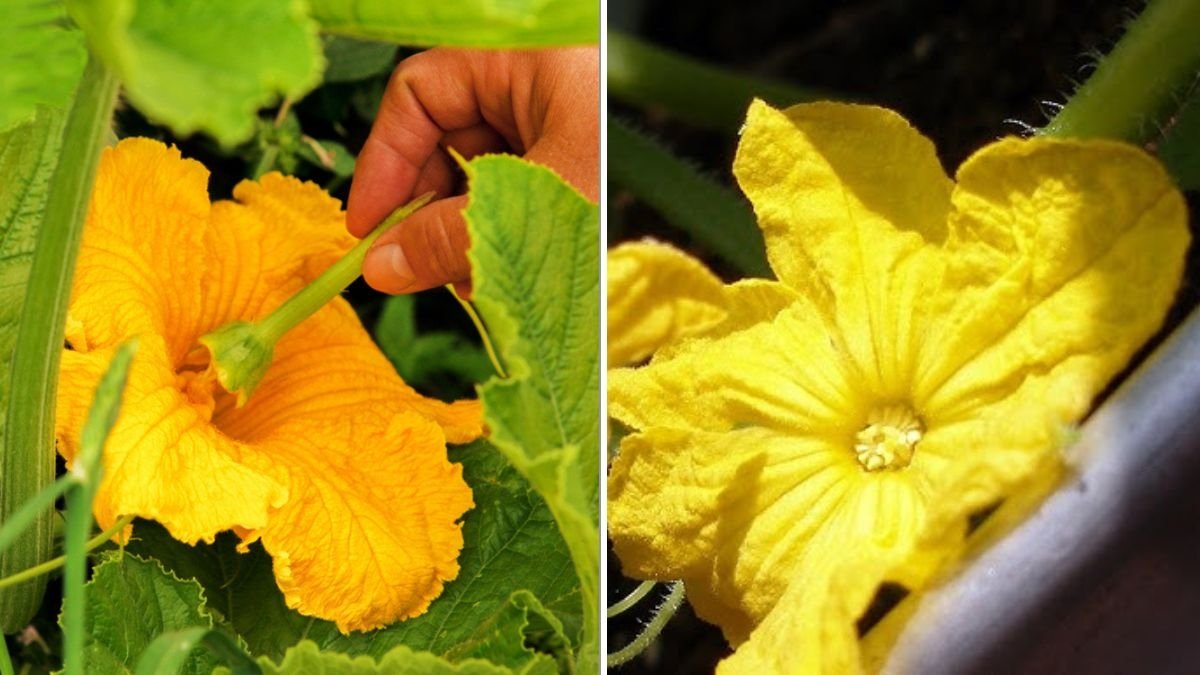
Few gardening frustrations compare to watching your cucumber vines thrive with lush green leaves and blossoms—only to end up with tiny, shriveled fruit that never fully develops. If that sounds familiar, the culprit might be poor pollination.
Cucumbers rely heavily on pollinators like bees, butterflies, and other insects to transfer pollen from male to female flowers. But when pollinators are scarce—due to weather, pesticides, or other environmental factors—you can step in and hand-pollinate cucumbers yourself.
It’s easy, satisfying, and one of the most effective ways to boost fruit production and ensure every flower gets a fair shot at becoming a crisp, juicy cucumber.
Here’s everything you need to know about how to hand-pollinate cucumbers for more fruit, from identifying flower types to mastering the right technique.
Why Cucumbers Need Pollination
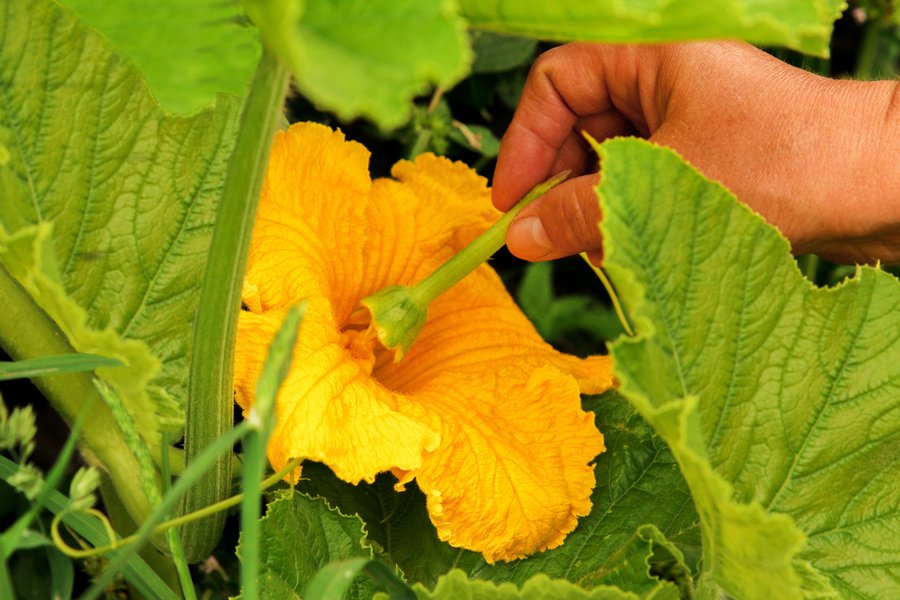
Cucumber plants produce two types of flowers: male and female. Both are essential for fruit development.
- Male flowers produce pollen but no fruit.
- Female flowers contain the ovary (a small baby cucumber) that develops into the mature fruit once pollinated.
In nature, bees visit male flowers first, collecting pollen on their bodies, and then transfer it to female flowers as they move around. Without that pollen transfer, the female flower will shrivel and die instead of producing fruit.
Unfortunately, pollinator populations can fluctuate, especially during extreme weather or early in the growing season. Hand-pollination mimics the work of bees, ensuring consistent results even when nature falls short.
Step 1: Learn to Identify Male and Female Flowers
Before you can hand-pollinate, you need to distinguish male from female cucumber flowers. It’s simpler than it sounds once you know what to look for.
Male Flowers
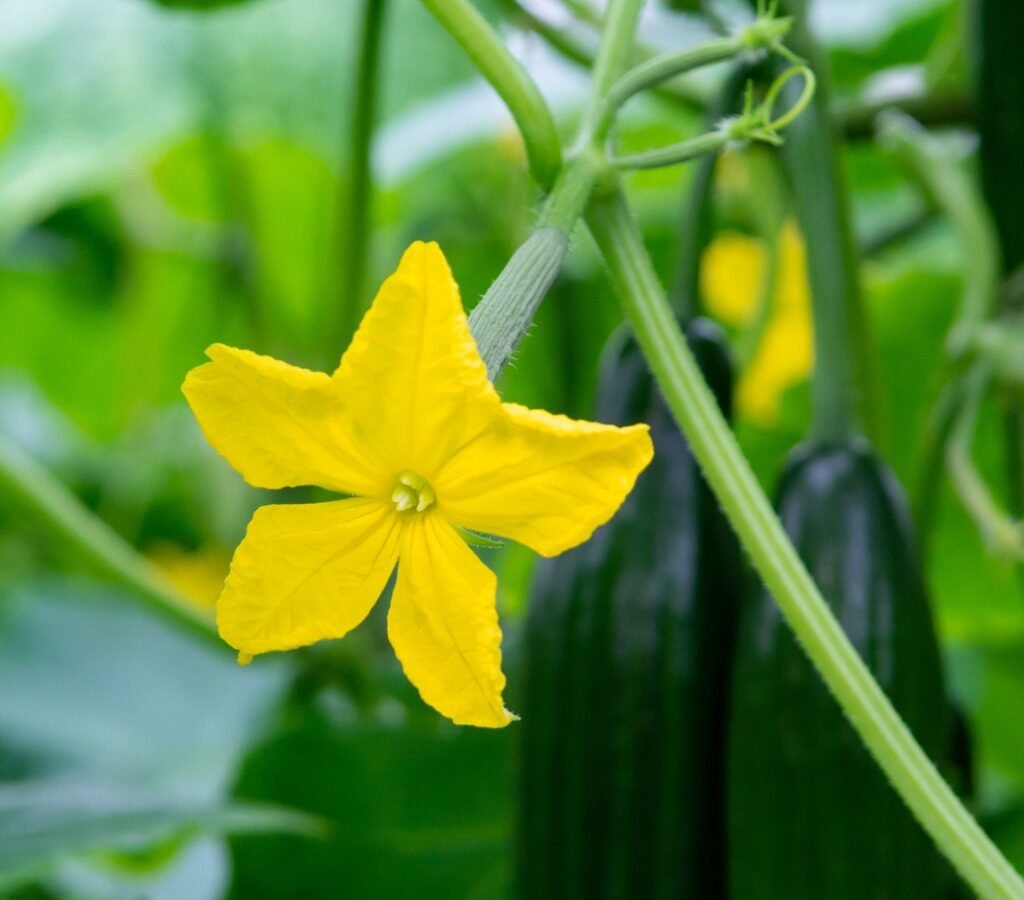
- Appear first on the vine, often in clusters.
- Have a thin stem directly connecting to the vine.
- Contain a pollen-covered stamen (a yellow structure inside the blossom).
- Do not have a small fruit behind them.
Female Flowers
- Usually appear a week or two later than males.
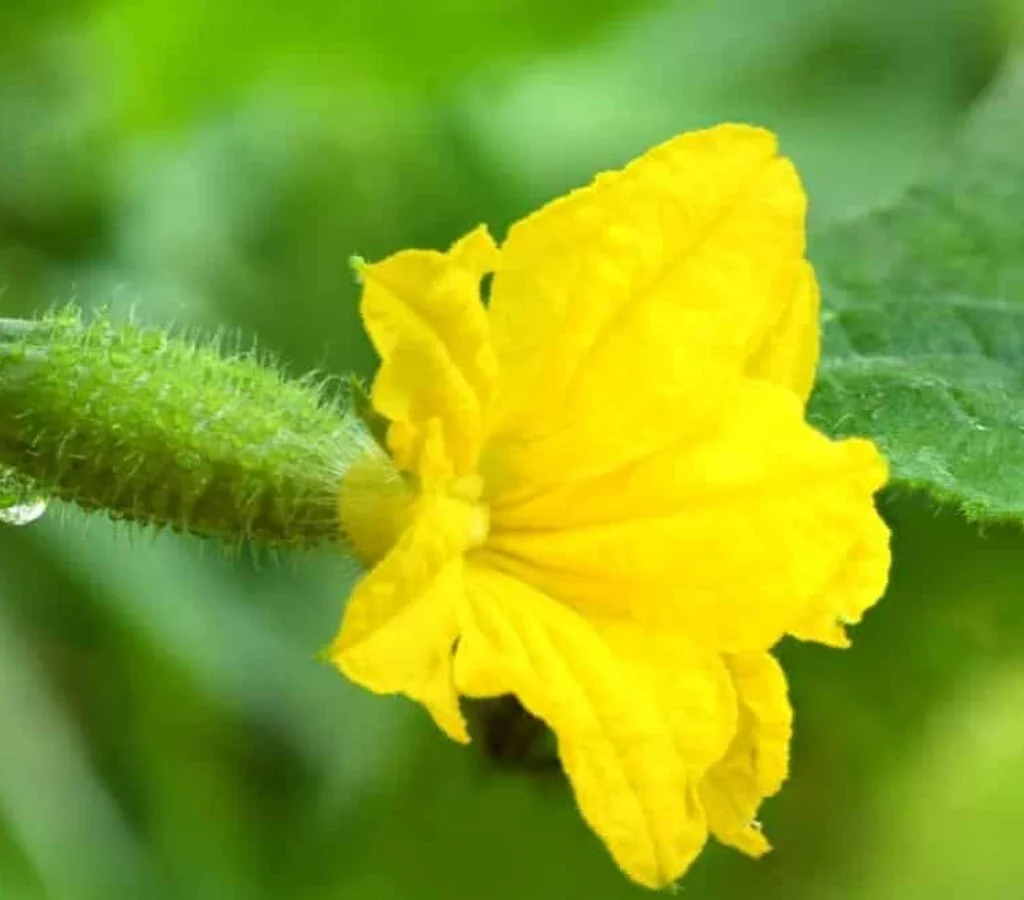
- Grow on a shorter, thicker stem.
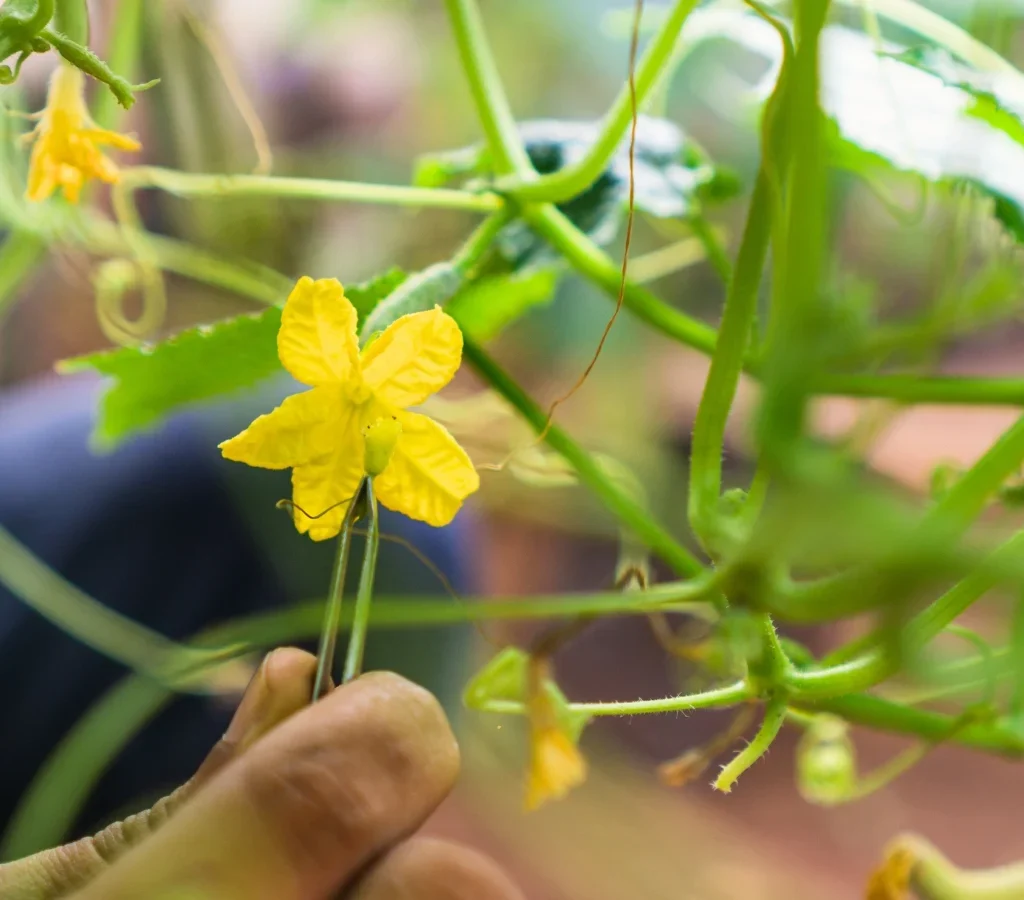
- Have a small, swollen ovary behind the blossom that looks like a tiny baby cucumber.
- Contain a sticky stigma in the center of the flower.
That tiny cucumber behind the female blossom is what becomes your fruit—but only if the flower is pollinated.
Step 2: Check Timing — Morning Is Best
Cucumber flowers don’t stay open for long. Each one usually blooms for just a single morning, sometimes lasting only a few hours.
The best time to hand-pollinate:
- Early morning (between 6 a.m. and 9 a.m.) when flowers are fully open.
- During dry, calm weather—humidity or rain can make pollen clump, making it harder to transfer.
If you wait too long, the flowers may close, and your chance for pollination that day will be gone.
Step 3: Gather Your Tools
You don’t need much to hand-pollinate cucumbers—just gentle hands and a simple tool.
You can use:
- A small artist’s paintbrush or cotton swab.
- A toothpick for more precision.
- Or simply the male flower itself.
Make sure whatever you use is dry and clean—moisture can damage pollen or spread disease.
Step 4: Collect Pollen From Male Flowers
Start by selecting a freshly opened male flower.
Method 1: Using the Flower Itself
- Gently pluck the male flower from the plant.
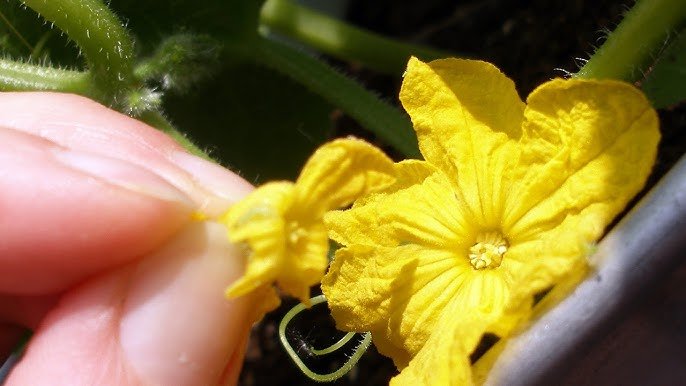
- Peel back or remove the petals to expose the stamen inside.
- You’ll see the stamen covered in yellow pollen dust.
Method 2: Using a Brush or Swab
- Leave the male flower attached.
- Gently rub your brush or cotton swab over the stamen to collect pollen.
- You’ll see a fine yellow powder on the brush—this is the fertile pollen.
Be careful not to damage the flower’s center while collecting pollen; a gentle touch goes a long way.
Step 5: Transfer Pollen to Female Flowers
Now that you’ve gathered pollen, it’s time for the magic.
- Locate an open female flower—remember, it has that small, baby cucumber behind it.
- Gently touch or brush the male pollen onto the stigma (the center of the female flower).
- Make sure to coat all three lobes of the stigma to maximize success.
If you’re using the male flower directly, you can simply press its stamen against the female flower’s stigma in a gentle, swirling motion.
Each male flower can usually pollinate two or three female flowers, depending on how much pollen it has.
Step 6: Mark and Monitor
It’s a good idea to mark the hand-pollinated flowers using a small piece of string, garden tag, or colored tape around the stem.
This helps you:
- Track which fruits were successfully pollinated.
- Observe how long they take to grow.
- Identify which flowers didn’t take, so you can adjust technique next time.
Within 3–5 days, a successfully pollinated female flower will begin to grow noticeably larger. The tiny cucumber will swell, while unpollinated ones will shrivel and drop off.
Step 7: Encourage Pollinators Naturally
While hand-pollination is a great backup, your goal should always be to make your garden pollinator-friendly so bees can take over the job naturally.
Here’s how to invite them in:
Plant Pollinator-Friendly Flowers
- Grow zinnias, sunflowers, marigolds, cosmos, and nasturtiums near your cucumber patch.
- Choose flowers with open, accessible blooms that bees can easily reach.
Avoid Pesticides
Even organic sprays can harm beneficial insects. If necessary, apply treatments in the evening, when pollinators are less active.
Provide Water and Shelter
- A shallow dish of water with pebbles gives bees a safe place to drink.
- Leave some bare soil or hollow stems nearby for nesting sites.
With the right environment, your garden will soon buzz with activity—and you’ll rarely need to hand-pollinate again.
Troubleshooting Common Pollination Problems
Even with hand-pollination, sometimes issues persist. Here’s what might be going wrong and how to fix it.
1. Flowers Are Falling Off Without Fruit
- Cause: Pollination didn’t occur, or the flower closed too soon.
- Fix: Ensure both male and female flowers are open at the same time. If not, store male flowers in a plastic bag in the refrigerator for up to a day to use later.
2. Fruit Starts Growing, Then Withers
- Cause: Partial pollination — not enough pollen reached the stigma.
- Fix: Make sure you cover all lobes of the female stigma with pollen. Using multiple male flowers can improve success.
3. Bitter Cucumbers
- Cause: Stress from inconsistent watering or heat. Pollination isn’t the culprit here, but poor fruit development can make bitterness worse.
- Fix: Keep soil consistently moist, and add mulch to retain moisture.
Bonus Tip: Timing for Maximum Yield
Cucumber plants produce the most female flowers when temperatures are warm but not scorching — ideally 70°F to 85°F (21°C to 29°C).
To keep your plants blooming:
- Harvest frequently. The more you pick, the more flowers your plant will produce.
- Fertilize lightly every two weeks with a balanced fertilizer or compost tea.
- Prune gently to improve airflow and light around developing fruit.
With consistent care and the occasional hand-pollination, your cucumber vines will reward you with a steady stream of crisp, flavorful fruits all summer long.
The Satisfaction of Hand-Pollination
There’s something deeply rewarding about playing the role of nature’s helper. Hand-pollinating cucumbers not only increases your yields but also helps you connect more intimately with your garden. You’ll begin to notice subtle differences in flower structure, timing, and growth — insights that make you a better gardener over time.
Plus, the results are undeniable:
- More consistent fruit set
- Fewer misshapen cucumbers
- Healthier, more vigorous plants
By mastering this simple technique, you ensure your cucumber crop never depends on chance — just your own two hands and a bit of morning sunshine.
Final Thoughts
When nature needs a helping hand, your garden will thank you for stepping in. Hand-pollinating cucumbers is quick, easy, and one of the most effective ways to guarantee a bountiful harvest.
All you need is a gentle touch, a few morning minutes, and a good eye for flowers. Soon, your vines will be heavy with perfect cucumbers — crisp, green, and garden-fresh.
So grab that paintbrush or pick that male flower and play pollinator for a day. You’ll be amazed how much more fruit your cucumbers can produce when you lend them a helping hand.

Leave A Comment