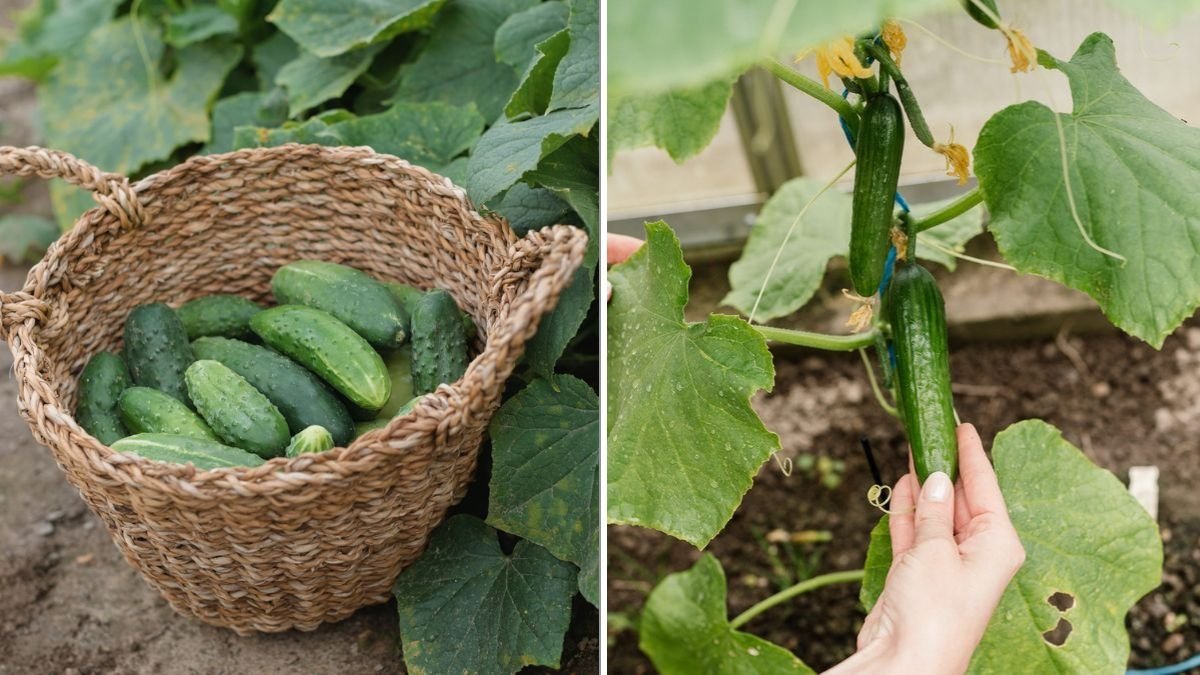
There’s something deeply satisfying about growing cucumbers in your garden — those crisp, cool fruits that seem to capture summer itself. But did you know that cucumbers thrive even better when planted alongside certain “friends”? This gardening practice, known as companion planting, can boost growth, deter pests, improve flavor, and even enhance pollination.
However, not all plants make good neighbors. Some compete for nutrients, attract harmful pests, or even stunt your cucumber’s growth. Knowing which plants to pair — and which to keep far away — can make the difference between a modest harvest and an overflowing basket of cucumbers.
Let’s explore the best companion plants for cucumbers — and the three you should definitely avoid — to help your vines reach their full, refreshing potential.
Why Companion Planting Works
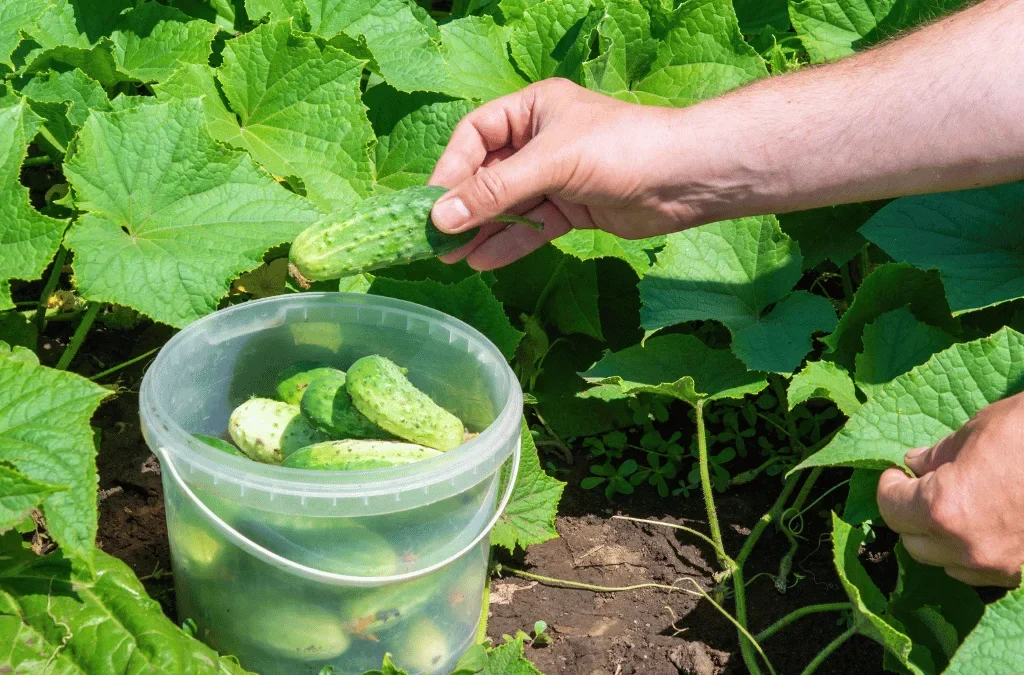
Companion planting is nature’s way of achieving garden harmony. When certain plants grow together, they form mutually beneficial relationships that improve soil quality, pest resistance, and yield.
Cucumbers, being fast-growing and nutrient-demanding vines, benefit greatly from companions that:
- Repel pests like aphids, cucumber beetles, and spider mites.
- Attract pollinators that increase fruit set.
- Improve soil health by fixing nitrogen or providing shade.
- Maximize space by growing vertically or at different soil levels.
Think of companion planting as creating a small ecosystem where each plant supports the others — naturally.
The 10 Best Companion Plants for Cucumbers
Here are ten plants that pair beautifully with cucumbers, each offering its own unique advantage.
1. Beans — The Nitrogen Boosters
Beans are one of the best companions for cucumbers. As legumes, they host beneficial bacteria on their roots that fix atmospheric nitrogen into the soil — a vital nutrient for leafy cucumber vines.
Why it works:
- Cucumbers are heavy feeders that thrive on nitrogen-rich soil.
- Beans provide a slow, steady nitrogen source without synthetic fertilizers.
Planting tip:
Grow pole beans on the opposite side of a trellis from your cucumbers. Both can climb without crowding each other, maximizing vertical space and air circulation.
2. Radishes — The Pest Defenders
Tiny but mighty, radishes are cucumber’s best pest-fighting ally. They repel cucumber beetles and other soil-dwelling insects that damage roots and leaves.
Why it works:
- The sharp scent of radishes confuses pests.
- Fast-growing radishes act as “trap crops,” drawing pests away from young cucumber plants.
Planting tip:
Sow radishes between cucumber rows or around the garden’s perimeter. Harvest them early before the cucumber vines spread.
3. Dill — The Natural Pest Magnet (For the Good Kind!)
Dill doesn’t just add flavor to pickles — it’s a powerhouse for attracting beneficial insects.
Why it works:
- Dill flowers draw ladybugs, lacewings, and hoverflies, which prey on aphids and mites.
- Its aroma repels cucumber beetles and spider mites.
Planting tip:
Plant dill near cucumbers but not too close — it can grow tall and shade your vines. A distance of about 2 feet works best.
4. Lettuce — The Living Mulch
Lettuce grows quickly and has shallow roots, making it an excellent living mulch for cucumber beds.
Why it works:
- Helps shade the soil, reducing evaporation and keeping roots cool.
- Suppresses weeds and prevents soil compaction.
Planting tip:
Interplant lettuce between cucumber rows early in the season. By the time cucumber vines spread, lettuce will be ready to harvest.
5. Nasturtiums — The Colorful Protectors
Nasturtiums are not only beautiful but also incredibly useful companions.
Why it works:
- Their peppery scent deters aphids, whiteflies, and cucumber beetles.
- They act as a trap crop, luring pests away from cucumbers.
- The flowers attract pollinators and add a pop of color to the garden.
Planting tip:
Grow nasturtiums along the edges of cucumber beds or let them trail beneath the vines.
6. Marigolds — The Pest-Repelling Powerhouse
Marigolds are every gardener’s secret weapon.
Why it works:
- Their roots release nematode-repelling compounds that protect cucumber roots.
- Their scent wards off aphids and whiteflies.
Planting tip:
Border your cucumber patch with marigolds. They add color while naturally reducing pest populations.
7. Carrots — The Space-Savers
Carrots and cucumbers grow in perfect harmony because they occupy different soil levels.
Why it works:
- Carrots grow deep, while cucumbers root near the surface — no competition for space.
- Carrots help loosen the soil, improving aeration for cucumber roots.
Planting tip:
Sow carrots before transplanting cucumber seedlings. This way, carrots mature by the time cucumbers start sprawling.
8. Corn — The Living Trellis
Corn and cucumbers are classic companions in the garden, especially in the traditional “Three Sisters” planting (corn, beans, and squash).
Why it works:
- Corn provides a natural trellis for cucumber vines to climb.
- The tall stalks offer partial shade, protecting cucumbers from excessive heat.
Planting tip:
Plant cucumbers on the south side of corn rows so they receive adequate sunlight and use the stalks for support.
9. Sunflowers — The Pollinator Magnets
Sunflowers not only add beauty but also attract a host of pollinators.
Why it works:
- Bees love sunflowers — and more bees mean better cucumber pollination.
- Sunflowers can also act as windbreaks, protecting cucumber vines.
Planting tip:
Plant tall sunflower varieties on the north side of your cucumber patch to avoid shading the vines.
10. Onions and Garlic — The Bug Barriers
Members of the allium family, like onions and garlic, have strong scents that repel many cucumber pests.
Why it works:
- Their sulfur compounds deter aphids, thrips, and cucumber beetles.
- They also reduce the risk of fungal infections like powdery mildew.
Planting tip:
Plant them around the edges of your cucumber bed, not directly beside the vines (they prefer different watering needs).
3 Plants to Avoid Near Cucumbers
Not every plant makes a good companion. Some can hinder growth or attract the wrong pests.
1. Potatoes — The Nutrient Competitors
Cucumbers and potatoes don’t mix well underground.
Why they’re bad companions:
- Both compete heavily for potassium and phosphorus, leading to nutrient deficiencies.
- Potatoes attract blight and beetles that can also harm cucumbers.
Better alternative:
Plant cucumbers away from nightshades (potatoes, tomatoes, eggplants) to reduce disease spread.
2. Aromatic Herbs Like Sage and Rosemary
While some herbs like dill and basil are great companions, strong-scented woody herbs can inhibit cucumber growth.
Why they’re bad companions:
- Sage, rosemary, and thyme prefer dry, sandy soil, while cucumbers love moist, fertile soil — a bad environmental match.
- Their potent oils may repel beneficial insects along with pests.
Better alternative:
Choose soft herbs like basil, dill, or oregano, which have milder scents and similar moisture needs.
3. Melons and Squash — The Space and Pest Rivals
It’s tempting to plant melons or squash near cucumbers, but it’s usually a mistake.
Why they’re bad companions:
- All are members of the Cucurbit family, sharing the same pests (like cucumber beetles) and diseases (such as powdery mildew).
- Their vines easily intertwine, competing for space, sunlight, and nutrients.
Better alternative:
Plant melons or squash in a separate bed to minimize disease transfer and give cucumbers room to sprawl.
Companion Planting Tips for Success
To get the most from your companion planting, keep these pro tips in mind:
- Rotate crops annually. Don’t plant cucumbers or their companions in the same spot each year to prevent soil-borne diseases.
- Use mulch generously. It helps retain moisture, suppress weeds, and support soil health.
- Keep balance in mind. Avoid overcrowding — your cucumbers need airflow to prevent fungal issues.
- Encourage diversity. A mix of flowers, herbs, and vegetables creates a resilient, balanced garden ecosystem.
Final Thoughts
Cucumbers are friendly plants — they thrive when surrounded by the right companions. Beans feed them, radishes protect them, and marigolds keep pests at bay. Add a few pollinator-friendly flowers, and you’ve created a thriving ecosystem that supports vibrant growth and delicious harvests.
But remember, not every neighbor is welcome. Keep potatoes, woody herbs, and other cucurbits at a distance to avoid unwanted competition and disease.
By pairing your cucumbers wisely, you’ll enjoy a healthier garden, higher yields, and tastier fruits — all while letting nature do most of the work.

Leave A Comment