
Cucumbers are one of summer’s most refreshing garden treasures — crisp, juicy, and full of flavor. But anyone who’s grown them knows these fast-growing vines are also some of the thirstiest plants in the garden. Without enough water, cucumbers quickly become stressed, bitter, and less productive.
Whether you’re growing them in the ground, in containers, or on trellises, proper watering is the secret to healthy plants and a bumper crop. The challenge? Cucumbers can’t tell you when they’re thirsty — but their leaves, fruit, and overall growth can.
Here are six clear signs your cucumber plants need more water, along with tips on how to fix the problem before your harvest suffers.
1. Wilting Leaves (Especially During the Day)
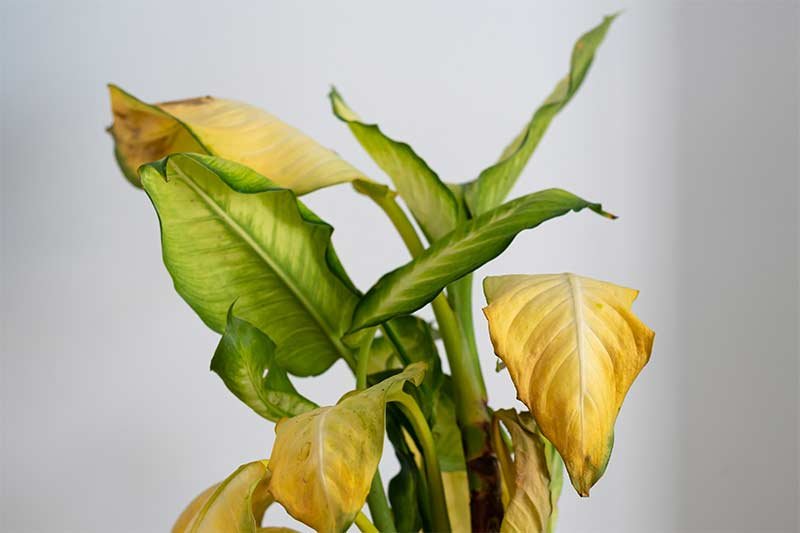
The first and most common sign of water stress in cucumbers is wilting. When cucumber plants don’t receive enough moisture, their large, thin leaves lose turgor pressure — the internal water pressure that keeps them firm and upright.
What you’ll see:
- Leaves droop, curl, or appear limp.
- The plant may look fine in the morning but wilt by afternoon, especially in full sun.
- Severe wilting can cause leaves to dry, turn yellow, and drop off.
What’s happening:
Cucumbers have shallow roots that dry out quickly, especially in hot weather. When the soil moisture drops, the plant can’t draw up enough water to replace what’s lost through evaporation and transpiration.
How to fix it:
- Water deeply and consistently. Give the plants a thorough soaking so water reaches at least 6–8 inches deep.
- Avoid shallow watering, which only moistens the surface.
- Add organic mulch (like straw, compost, or shredded leaves) around the base to retain soil moisture and regulate temperature.
Pro tip:
If wilting occurs in the middle of a hot day but the plant perks up by evening, it’s likely temporary heat stress. However, if leaves remain limp into the night, your cucumbers definitely need more water.
2. Yellowing Leaves
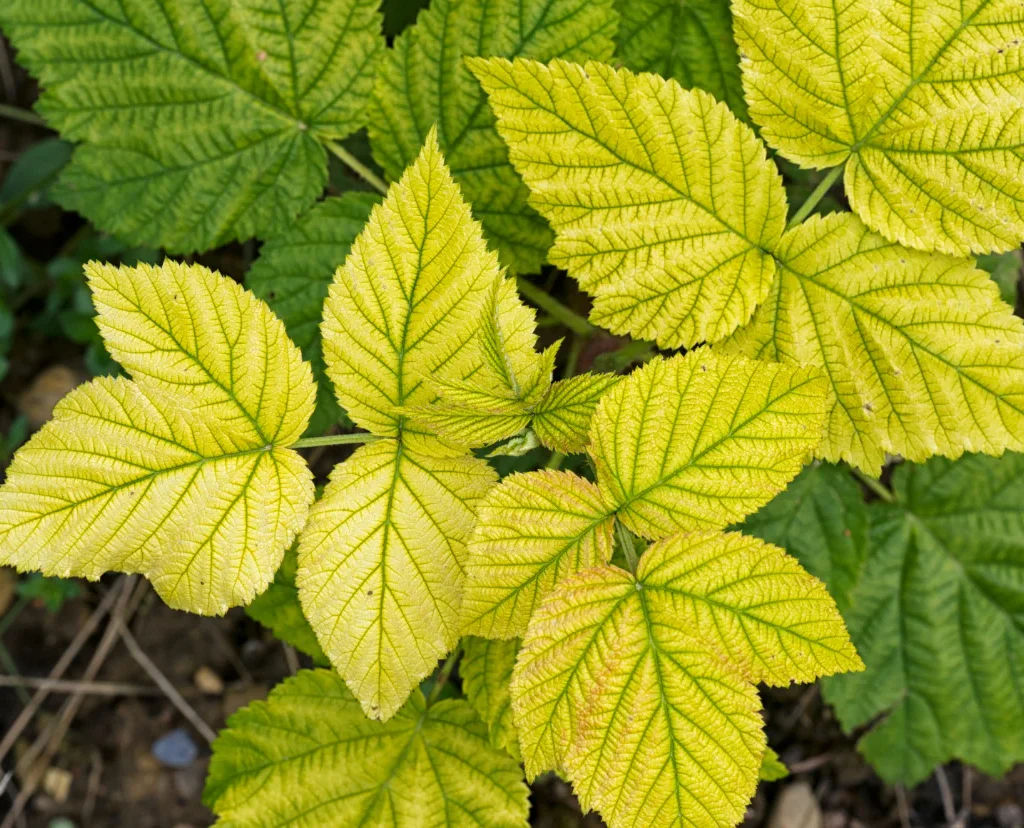
If your cucumber’s lush green leaves begin turning yellow, it might be signaling more than just nutrient deficiency — it could mean inconsistent watering.
What you’ll see:
- Lower leaves turning pale green or yellow first.
- Leaf edges may brown or curl.
- Yellowing may spread upward if the problem persists.
What’s happening:
Water carries essential nutrients like nitrogen and magnesium from the soil to the plant. Without enough moisture, nutrient uptake slows, and chlorophyll (the green pigment) breaks down — leading to yellowing.
How to fix it:
- Check the soil moisture by sticking your finger 2 inches deep. If it feels dry, it’s time to water.
- Water cucumbers 2–3 times a week, depending on temperature and rainfall.
- Use a soaker hose or drip irrigation to provide even, deep watering without splashing the leaves (which can spread disease).
- If yellowing continues even after improving watering, apply a balanced liquid fertilizer to replenish nutrients.
Remember: Yellow leaves can also indicate overwatering, so always confirm by checking the soil’s moisture before you water again.
3. Bitter or Misshapen Cucumbers
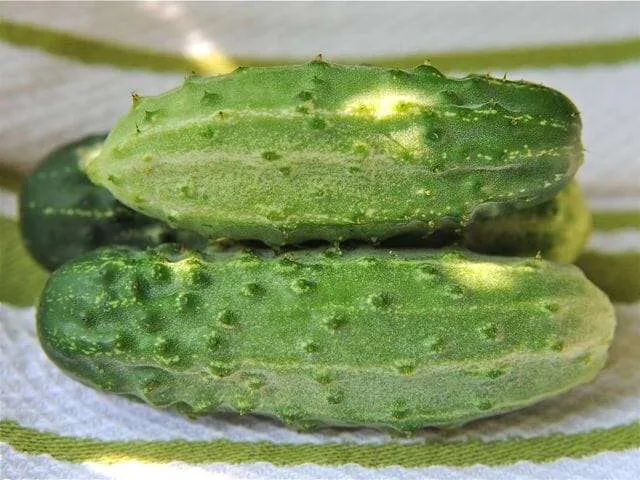
Few things are more disappointing than harvesting cucumbers that look great — until you bite into one and it’s bitter!
What you’ll see:
- Fruit tastes bitter, especially near the stem end.
- Cucumbers may grow curved, shriveled, or unevenly shaped.
- Skins can appear tough or leathery.
What’s happening:
When cucumbers experience irregular watering — drying out and then getting flooded — it stresses the plant. This triggers the production of cucurbitacins, natural compounds responsible for bitterness. Inconsistent watering also disrupts fruit development, causing irregular shapes.
How to fix it:
- Maintain steady soil moisture. Avoid long dry periods followed by heavy watering.
- Keep a 2–3 inch mulch layer around the plant base to prevent rapid evaporation.
- Water in the morning to give the plant time to absorb moisture before the heat of the day.
Pro tip: Pick cucumbers regularly. Overripe fruits left on the vine signal the plant to slow production and can worsen bitterness.
4. Fewer Flowers and Small Fruit Set
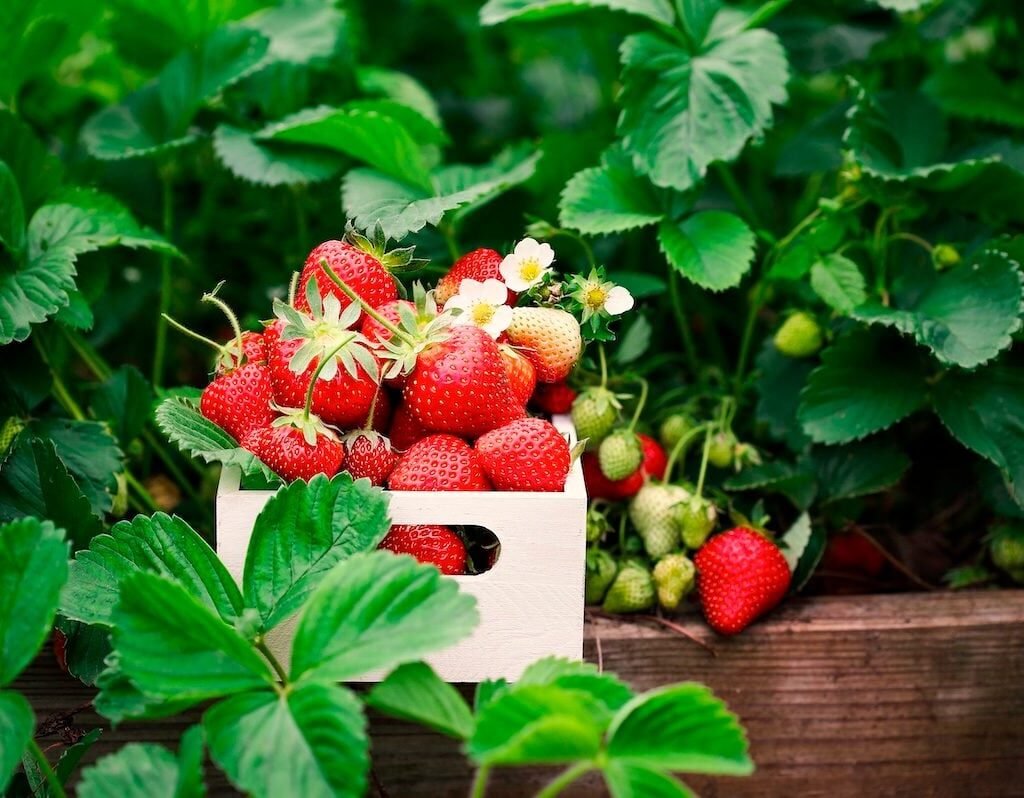
Healthy cucumber plants should produce a steady stream of flowers and fruits throughout the growing season. When the plant isn’t getting enough water, flowering and fruiting are often the first things to suffer.
What you’ll see:
- Fewer flowers than usual.
- Tiny or undeveloped fruits that drop off before maturing.
- Slower overall growth and reduced vigor.
What’s happening:
Water stress causes cucumbers to go into survival mode — the plant conserves energy by halting flower and fruit production. The roots focus on staying alive rather than producing new growth.
How to fix it:
- Keep the soil evenly moist, especially during flowering and fruiting stages when water demand is highest.
- Apply water slowly and deeply twice per week rather than giving small, frequent splashes.
- Add compost or worm castings to help the soil retain moisture while improving fertility.
Extra tip: Hot, dry conditions can also reduce pollination, so encourage pollinators with nearby flowers or hand-pollinate blossoms with a small brush.
5. Dry or Cracked Soil Around the Base
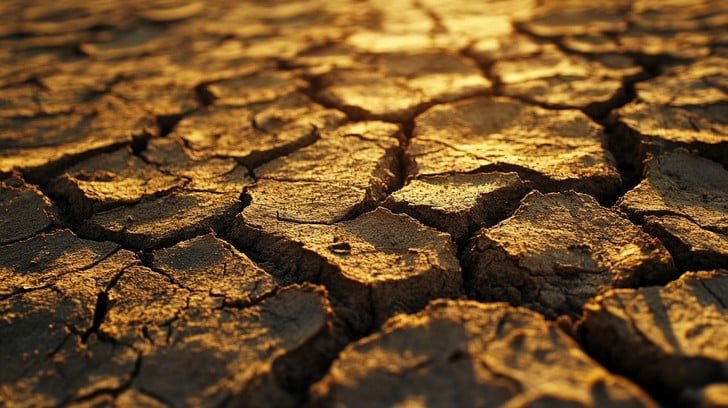
Sometimes, the soil itself gives you the clearest clue that your cucumbers need a drink.
What you’ll see:
- Soil surface appears dry, hard, or cracked.
- Water beads up instead of soaking in.
- Mulch (if used) feels dry and brittle to the touch.
What’s happening:
When soil dries out completely, it becomes hydrophobic—meaning it actually repels water. Even if you water afterward, much of it runs off instead of soaking down to the roots.
How to fix it:
- Loosen the top inch of soil gently before watering to help moisture penetrate.
- Water slowly so it has time to absorb — a drip irrigation system works best.
- After rehydrating, spread organic mulch over the base to prevent the soil from drying again.
- Consider adding compost or coco coir to future soil mixes to improve water retention.
6. Slower Growth and Poor Yields

If your cucumber plants look stunted, have smaller leaves, or produce fewer fruits than expected, the problem might be chronic under-watering.
What you’ll see:
- Shorter vines than usual.
- Thin stems and small, pale leaves.
- Sparse fruit production or fruits that stop growing midway.
What’s happening:
Cucumbers are composed of about 95% water, so inadequate moisture directly stunts growth. The plant can’t efficiently photosynthesize or transport nutrients, leading to sluggish development and lower yields.
How to fix it:
- Water deeply and consistently during the entire growth cycle, especially once vines start spreading.
- Provide 1–1.5 inches of water per week, more during hot or windy periods.
- For container-grown cucumbers, check daily — pots dry out much faster than garden beds.
Bonus tip: If your plants are severely stressed, apply a seaweed or compost tea foliar spray to help them recover faster and boost resilience.
How to Water Cucumbers the Right Way
Knowing the signs of underwatering is only half the battle — you also need to master proper watering technique.
Here’s how to get it right every time:
1. Water in the Morning
Morning watering gives plants the entire day to absorb moisture before heat and evaporation kick in. Evening watering can lead to wet leaves overnight, increasing the risk of fungal disease.
2. Water at the Base
Always water at the soil level, not over the leaves. This ensures roots get the moisture they need and keeps foliage dry and disease-free.
3. Use Drip Irrigation or a Soaker Hose
These systems deliver water directly to the roots, reducing waste and keeping moisture consistent — ideal for thirsty cucumbers.
4. Maintain Mulch
A 2–3 inch layer of mulch locks in moisture, prevents soil compaction, and keeps the root zone cool during hot spells.
5. Check Moisture Regularly
Use your finger or a soil moisture meter. If the top 2 inches feel dry, it’s time to water.
Final Thoughts
Cucumbers might be easy to grow, but they’re not forgiving when it comes to inconsistent watering. A few missed days can mean wilted vines, bitter fruits, and disappointing yields.
By learning to recognize early warning signs — from wilting leaves and yellowing to poor fruit set and cracked soil — you can act quickly to keep your plants hydrated and thriving.
Consistent watering, good mulch, and healthy soil are the keys to crisp, flavorful cucumbers all summer long.
So next time you step into your garden, take a quick look at your cucumber vines. Are their leaves perky? Is the soil slightly damp to the touch? If so, you’re on track for a cool, crunchy, and abundant harvest that’ll make all your summer salads shine.

Leave A Comment