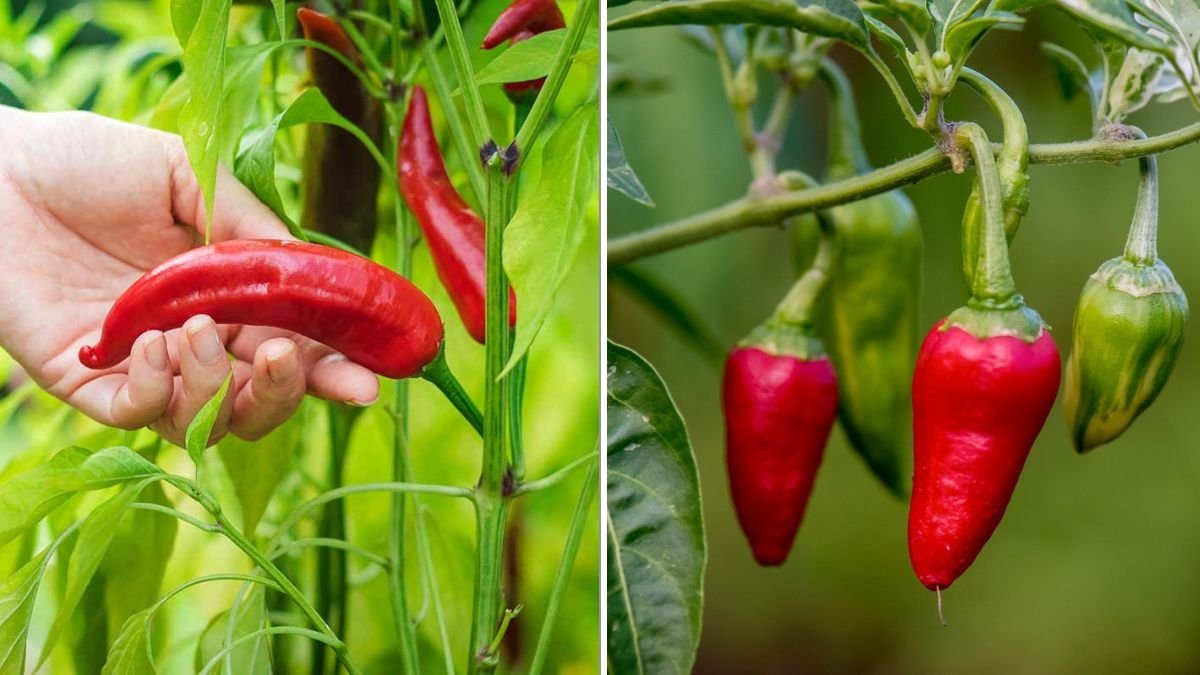
Peppers are one of the most rewarding crops a home gardener can grow—vibrant, flavorful, and versatile. Whether you love sweet bell peppers or fiery hot chilies, nothing beats harvesting basketfuls of colorful fruits from your own plants. But if your pepper plants tend to produce fewer or smaller fruits than you hoped, the secret to bigger, more abundant yields might be simpler than you think: pruning.
Pruning peppers may sound intimidating, but with a few easy techniques, you can transform spindly, slow-growing plants into bushy, fruit-loaded powerhouses. In this guide, we’ll walk you through why pruning works, when to do it, and the exact steps to follow for each growth stage—plus a few pro tips that seasoned gardeners swear by.
Why Pruning Matters for Peppers
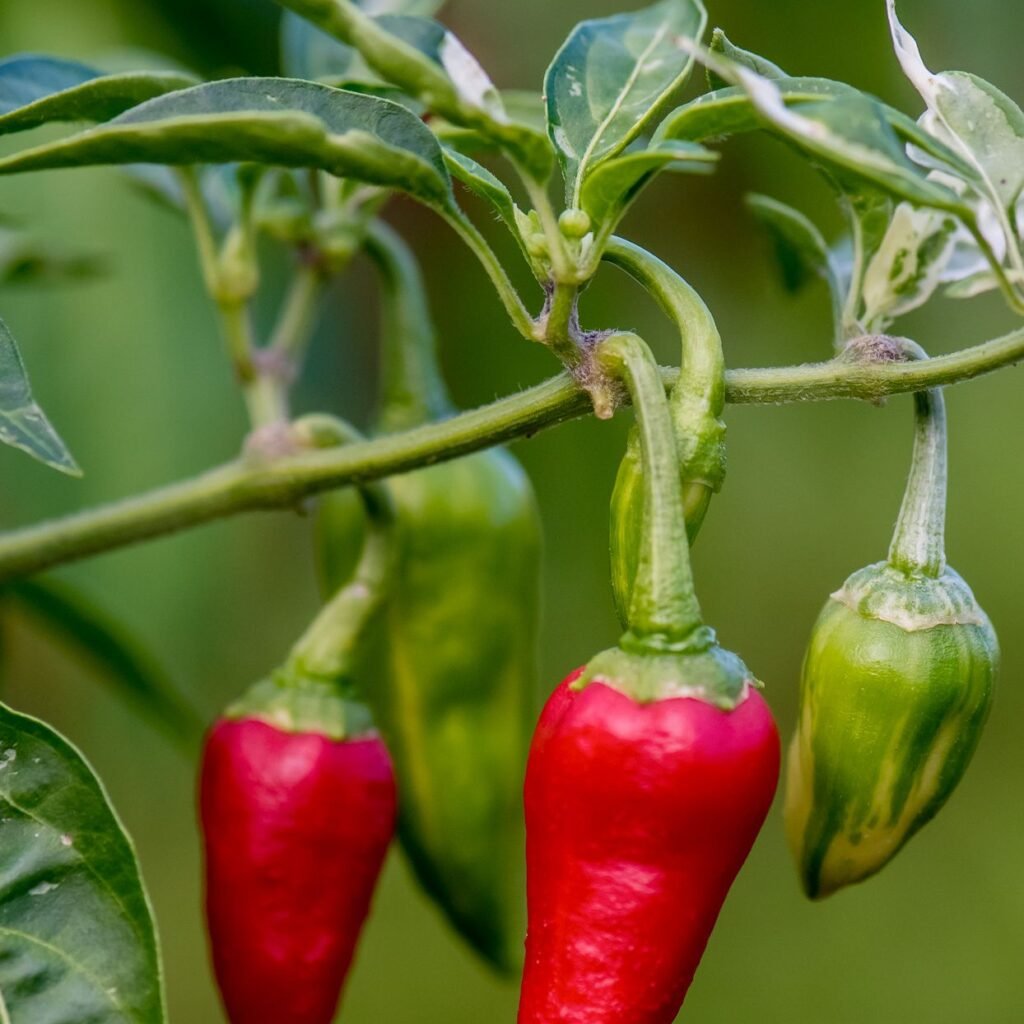
Unlike many vegetables, pepper plants have a natural tendency to grow tall and leggy. Left alone, they often spend too much energy producing leaves and stems instead of focusing on flowers and fruits.
Pruning redirects the plant’s energy into what matters most: producing larger, healthier, and more flavorful peppers.
Here’s what proper pruning helps accomplish:
- Encourages bushier growth: Cutting back the main stems encourages side branches to grow, resulting in more flowering sites and higher yields.
- Improves air circulation: A well-pruned plant is less prone to fungal diseases like powdery mildew or bacterial leaf spot.
- Increases light exposure: Sunlight can reach more parts of the plant, helping fruits ripen evenly.
- Strengthens stems: Pruned plants develop thicker, sturdier branches that can support heavy fruit loads.
- Reduces pest problems: Fewer hidden areas make it harder for pests like aphids or spider mites to thrive.
In short, pruning helps your pepper plants stay healthier, sturdier, and more productive all season long.
When to Prune Pepper Plants
Timing is everything. Pruning at the wrong stage can stress young plants or reduce fruit production. Here’s the right schedule to follow:
1. Early Pruning (Seedling Stage – 4 to 6 Weeks Old)
Once your pepper seedlings are about 6 inches tall and have developed at least 3–4 sets of true leaves, it’s time for their first haircut.
This stage is all about shaping your plant. Pinch or snip off the top growing tip just above a leaf node. This signals the plant to branch out from below instead of shooting straight upward.
2. Mid-Season Pruning (Before Flowering)
As your pepper plant matures, you’ll notice multiple branches forming. At this point, your goal is to:
- Remove lower leaves and branches near the soil line (to prevent disease splashback).
- Thin out any crowded interior branches that block sunlight or airflow.
This mid-season shaping keeps your plant open and encourages energy to flow to flowering branches.
3. Late Pruning (During Fruit Production)
Once the plant is covered in blossoms and young fruits, avoid heavy pruning. However, you can still:
- Snip off damaged or diseased leaves.
- Remove small, non-fruiting branches that drain energy.
- Trim excess foliage at the top to redirect resources to ripening peppers.
Step-by-Step: How To Prune Pepper Plants
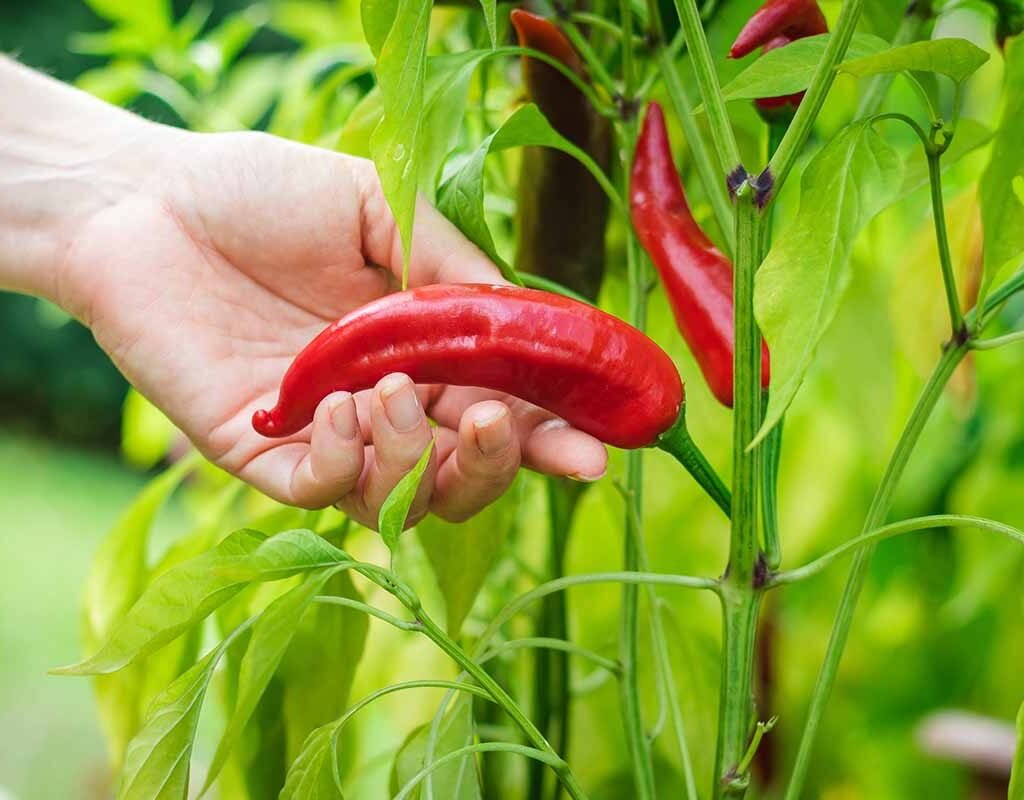
Pruning isn’t complicated, but doing it correctly makes all the difference. Follow these easy steps:
Step 1: Prepare Your Tools
Always use clean, sharp scissors or pruning shears. Sterilize the blades with rubbing alcohol or a 10% bleach solution before use to prevent spreading disease between plants.
Step 2: Identify the “Y” Shape
When your pepper plant is about 6–8 inches tall, you’ll notice the main stem naturally splitting into a “Y” shape. This is where the first set of branches form.
Snip off the topmost growing tip right above this “Y.” Doing so encourages the plant to produce two main stems, leading to a bushier shape with more flowering sites.
Step 3: Remove Suckers
After topping, watch for small shoots growing in the “crotches” where branches meet the main stem. These are suckers—they compete for nutrients and shade the interior of the plant.
Pinch or cut these suckers off when they’re small (about 1–2 inches). Focus especially on lower suckers that won’t receive much sunlight.
Step 4: Clean the Lower Stem
Remove all leaves and small branches up to about 6 inches from the soil surface. This prevents soil-borne pathogens from splashing up onto your plant and improves airflow around the base.
Step 5: Thin the Canopy
Once your plant is producing fruit, prune selectively to open up the canopy. Remove crowded branches so sunlight can reach deep inside the plant. This helps peppers ripen evenly and reduces the risk of fungal infections.
Light, Water, and Feeding Tips to Maximize Results
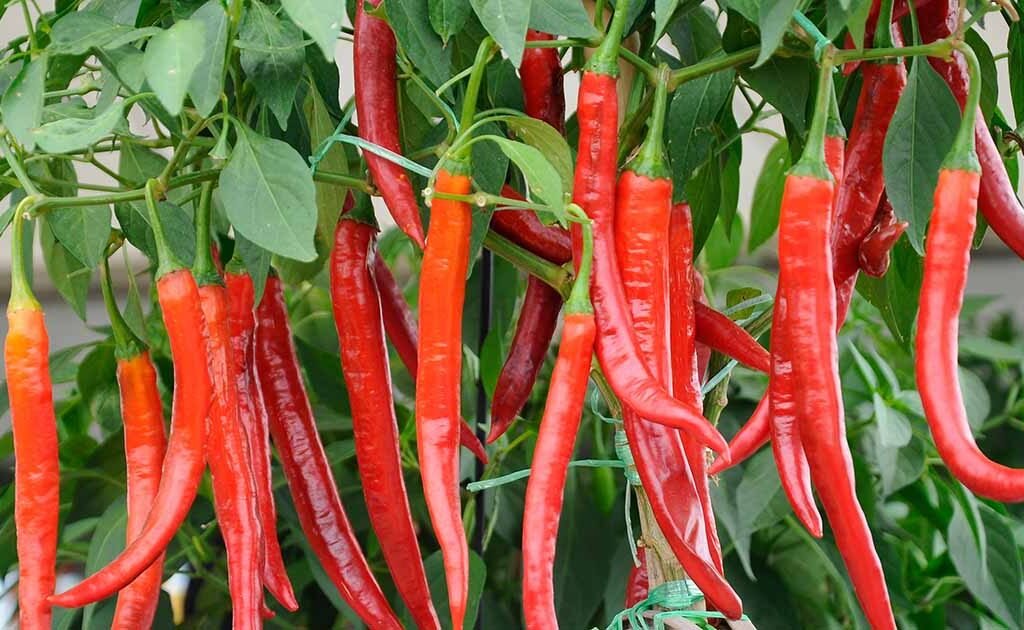
Pruning works best when paired with good cultural practices. A stressed plant can’t make the most of its new shape, so support it with these essential tips:
1. Provide Full Sun
Peppers love sunlight. Aim for at least 6–8 hours of direct sun daily. If growing indoors or in partial shade, supplement with grow lights to encourage healthy growth and strong stems.
2. Maintain Even Moisture
Uneven watering can stress pruned plants and affect fruit development. Keep the soil consistently moist but not waterlogged. A layer of mulch helps retain moisture and stabilize soil temperature.
3. Feed Regularly
After pruning, your plants will redirect energy toward new growth and fruiting. Boost them with a balanced, slow-release fertilizer or a liquid feed with an N-P-K ratio around 5-10-10. Too much nitrogen encourages leafy growth rather than fruiting.
4. Support Your Plants
Pruned plants often grow heavy with fruit. Use stakes or cages to support branches and prevent them from snapping under the weight.
Bonus Trick: Early Blossom Removal for Bigger Yields
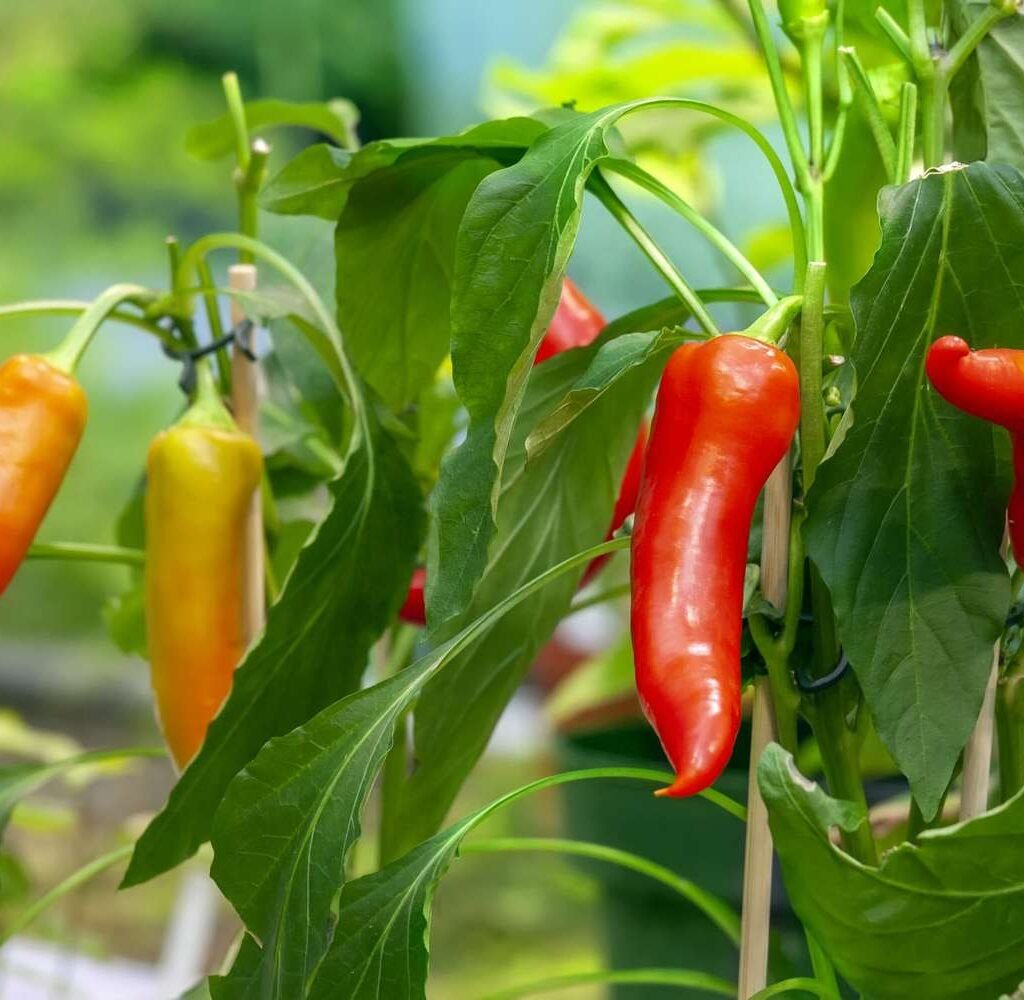
It might sound counterintuitive, but removing the first few flowers that appear on young plants actually leads to a higher yield later.
Here’s why:
Early blooms divert energy toward fruiting before the plant has developed a strong enough root system and foliage. By removing the first blossoms, you allow the plant to grow stronger and more capable of producing large clusters of peppers later on.
Common Mistakes to Avoid
Even with good intentions, many gardeners make a few missteps when pruning peppers. Here are the most common mistakes—and how to fix them:
- Pruning too late: Heavy pruning during fruiting can shock the plant. Focus on shaping early in the season.
- Over-pruning: Removing too many leaves exposes fruits to sunscald. Always keep enough foliage to shade developing peppers.
- Using dirty tools: Dirty shears can spread disease like wildfire. Always sterilize before and after pruning.
- Ignoring plant stress: Avoid pruning during extreme heat or drought; wait until the plant is hydrated and healthy.
The Payoff: Healthier Plants and Heavier Harvests
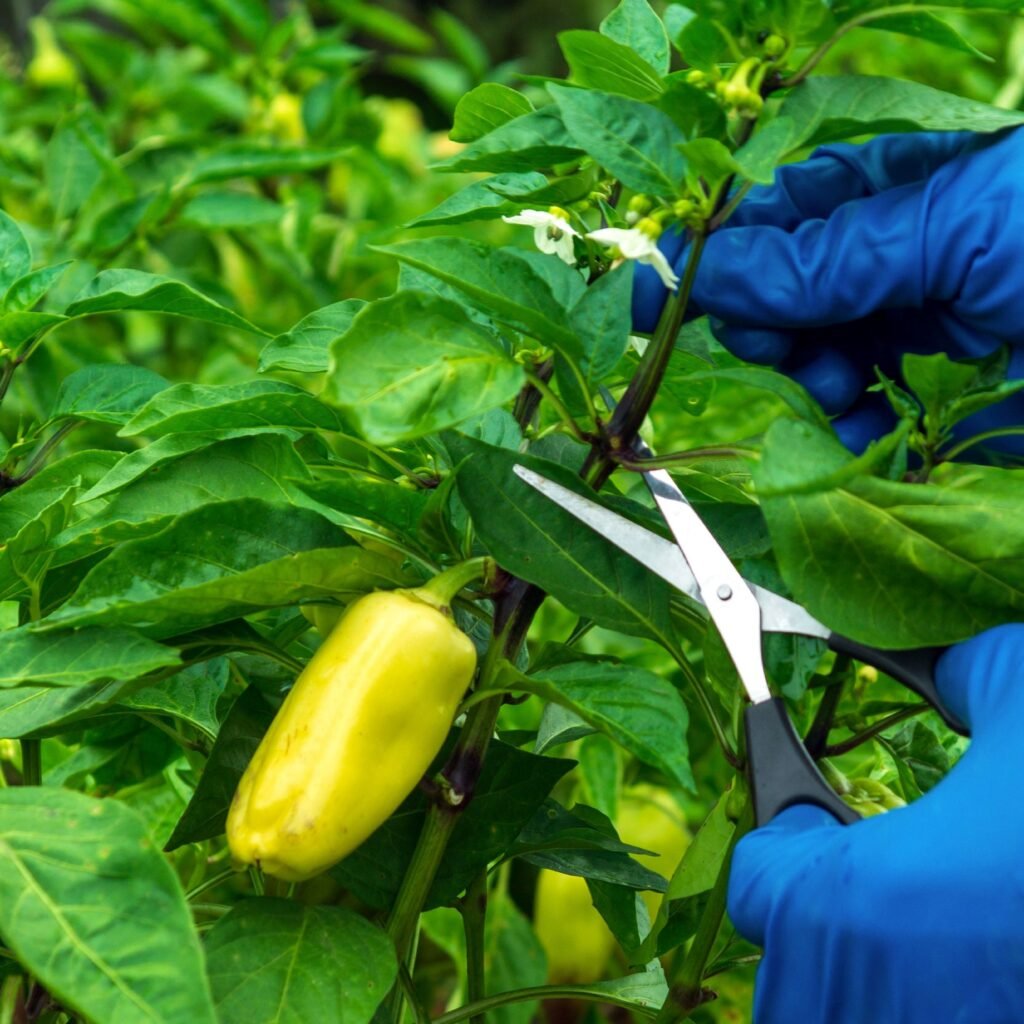
When done correctly, pruning transforms pepper plants into compact, highly productive bushes loaded with fruit. The difference can be dramatic—double the number of peppers, fewer pest problems, and better airflow and sunlight throughout the plant.
You’ll also notice that your pruned plants:
- Produce larger, thicker-walled peppers
- Ripen faster and more evenly
- Stay disease-free longer
- Remain manageable in size, especially in containers
Final Thoughts
Learning how to prune your pepper plants is one of the simplest and most powerful ways to boost your yield. With just a few well-placed cuts, you can direct your plant’s energy where it counts—into producing more flowers, stronger stems, and heavier fruit clusters.
So, grab your pruning shears and give it a try. Start small, observe how your plants respond, and adjust your technique over time. Within a few weeks, you’ll see the difference—not only in plant health but in the sheer number of peppers you’ll harvest.
Because in the end, pruning isn’t just about cutting—it’s about shaping your plants for success. And once you see your pepper garden bursting with vibrant, glossy fruits, you’ll never skip this simple but game-changing step again.

Leave A Comment